
GP26
| GENERAL DESCRIPTION |
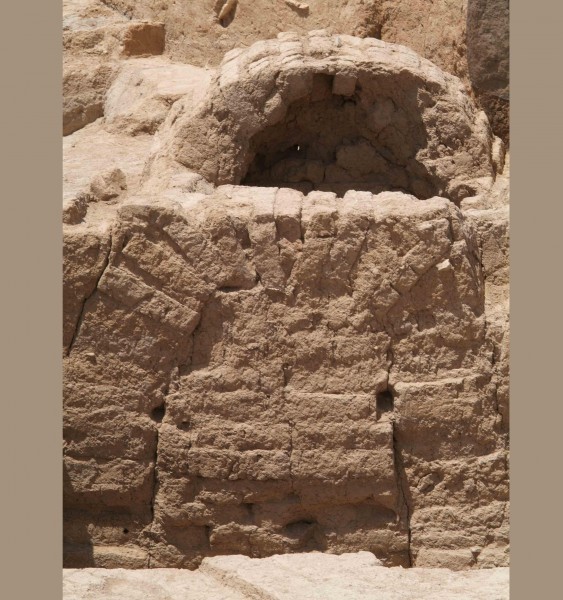
Type of burial and vault. Chamber grave, barrel vault.
State of preservation. The grave was well preserved although the upper parts of the vault had collapsed. It has been fully excavated.
Burial descriptions. The grave pit was rectangular in shape, oriented on the E-W axis. The pit’s dimensions were 3.3 x 1.8 m, but a part of it was the shaft/vestibule in front of the entrance to the chamber, which measured 2.0 x 1.1 m. The grave façade had the following dimensions: ca. 2.3 x 1.4 m. The grave was built on a rectangular plan, on the E-W axis with the entrance from the east. The outer dimensions were 2.15 x 1.7 m, and the height from the bottom of the shaft to the top of the arch was 1.71 m. The chamber dimensions were 2.1 x 1.05 m, and it was ca. 1.0 m high from the level of the floor to the top of the arch. The span of the arch was 0.76 m, and the height was 0.32 m. The bricks used for the construction were square and measured 40 x 40 x 9 cm. The vault was partly damaged – some of the bricks had collapsed inside – but the arches above the shorter walls were well preserved, so it was possible to reconstruct the vault.
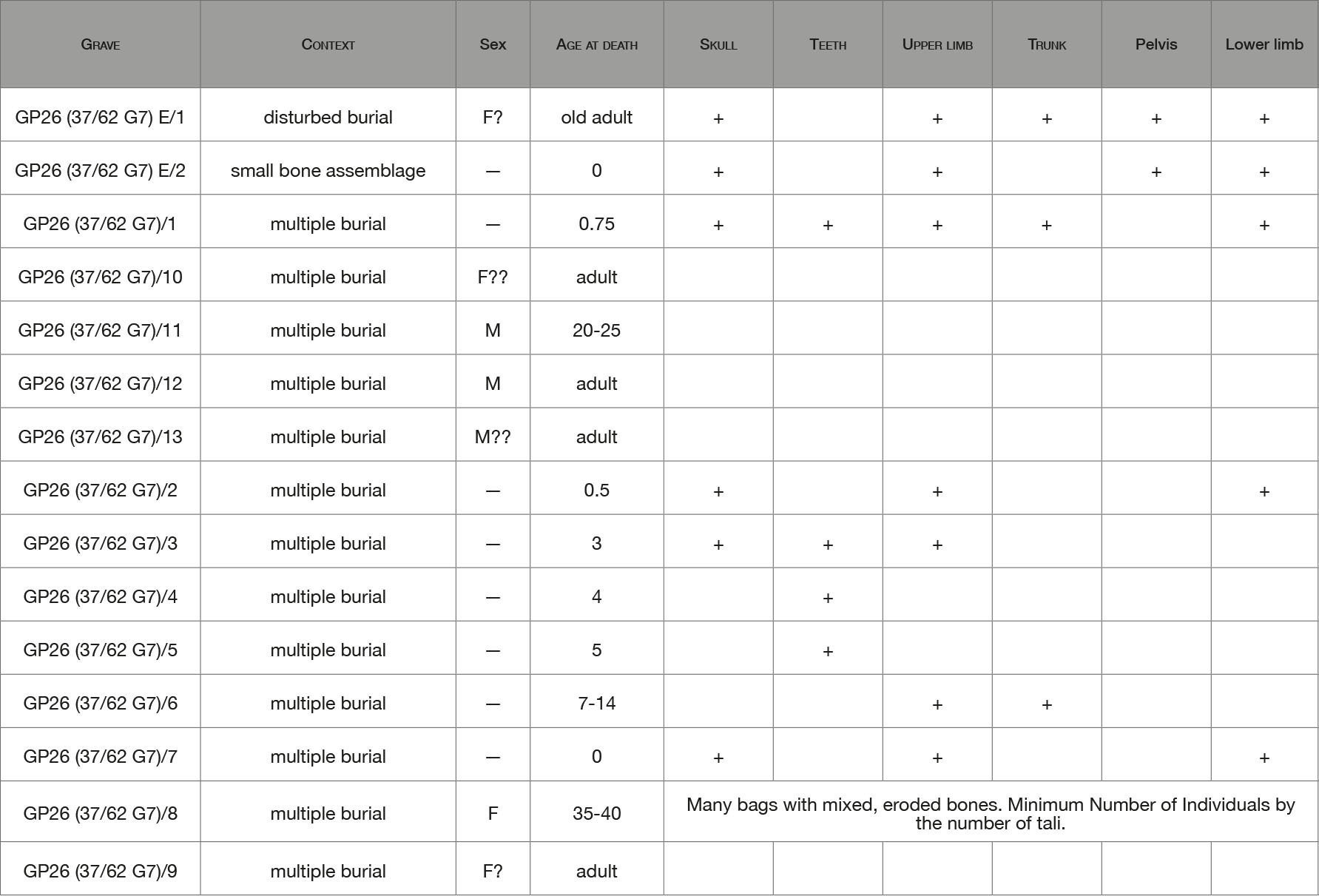
Human remains. GP26 was a multiple burial. Fifteen people were buried in the chamber, including eight children (0.75, 0.5, 3, 4, 5, 7-14 years old and two infants – age 0), four women (one 35-40 years old, two adults and one old adult; the sex of the adult and old adult women was not determined with certainty) and three men (one 20-25 years old and two adults; the sex of one of the adult men was not determined with certainty). The bones of most of the dead were mixed and pushed back to the western wall. The layer of mixed bones was about 20-30 cm thick. The bones were badly preserved and very fragile. Only one body (probably of an old adult female) was found in a more or less anatomical position, and that was the last person to be buried in the chamber. The deceased lay in the SE part of the grave, along the southern wall, on her left side, with the head to the west and with tightly flexed legs. The baby buried in the NW corner of the shaft/vestibule was 0.75 years old (more information in the description of GP29).
Animal remains. Animal bones have been found in two places: in the chamber and in the vestibule. In the chamber, animal bones were mixed with human bones. Those animal bones belonged to cattle (metatarsal, two fragments of the skull, fragment of mandible, teeth, metacarpal, fragments of finger bones, fragment of tibia, calcaneus), sheep (fragment of humerus, talus bone), sheep/goat (ribs, teeth, fragment of radius and vertebra, fragments of femur, tibia and calcaneus) and mollusc (three fragments of shells). The animal bones from the vestibule belonged to cattle (teeth, tarsal bones, fragments of finger bones), sheep/goat (fragments of vertebrae, ribs, femur, tibia and calcaneus, fragments of metapodium, fragments of finger bones), goat (talus bone with heel, fragments of radial bone) and dog (most parts of the skeleton). In the NE part of the vestibule, a fragment of a jaw and a few other bones were deposited. They lay close to the child’s grave but about 5-10 cm higher. In the southern half of the vestibule, a little bit higher than the child’s burial and at the same level as the big undecorated jar, a skeleton of a dog has been found. The dog was lying in anatomical order, on the NW-SE axis with the head to the SE. In my opinion, this jar, the dog and the fragment of a jaw were deposited at the same time, during the funeral of the last deceased buried in the chamber. Animal bones and big jars/pots are not typical for burials of children; thus, I would connect them rather with the dead in the chamber. The fragment of a jaw was deposited in front of the entrance to the chamber and in the middle of the vestibule’s depth. It could have been deposited later as a kispum,or perhaps it changed its original position after the earth had been removed from the vestibule in order to open the chamber again.
Evidence of burial rituals. An unknown number of animal bones have been recovered from the chamber, but they were never studied. Meat offerings, as well as powdered and liquid offerings in a jar, were also placed in the vestibule. Judging from the fact that they were found on different levels, the offerings had been placed on the occasion of different burials. It seems that the vessels are related to the early phase of the functioning of the grave. The bones from the meat offerings and the dog skeleton were found relatively high and are most probably related to the last burial. Human long bones were also found at the bottom of the shaft. Most likely they had been taken out of the chamber to make room for the last burial and were never put back. (According to R. Koliński, the vessels stood in the vestibule on a more or less permanent basis and were filled with offerings upon subsequent burials. If one of the vessels broke during a burial, it was replaced.)
Burial goods. The deceased who was found in anatomical order was buried with two vessels (two quite big jars which stood next to each other by the northern wall; both are decorated with painted horizontal stripes, the smaller one also has three ribs between the neck and shoulders), a bronze pin with a flat head (lying on the chest, perhaps used for decoration or to fasten elements of the garment), three beads and a small bronze lamina lying on one of the fingers – perhaps a kind of tip.
The other burial goods and also animal bones were mixed with human bones and pushed back to the western part of the grave. Among them was the only example of a bronze axe found in Tell Arbid. However, it seems too small for a weapon, as it was only 11.7 cm long. Other items include two metal fittings for wooden rods with fragments of wood still preserved inside. Three bronze daggers found inside the chamber were quite similar, and one of them was decorated with two parallel grooves going from top to bottom.
A pair of tweezers 5.6 cm long was made of bronze. Also found among the mixed bones were a small rectangular bronze sheet with a narrow hole and a disc with a hole made of the same material. These elements could have been sewed to the garments. There was also another bronze tip. A bronze bracelet in the shape of an open ellipse was deposited among the other mixed goods.
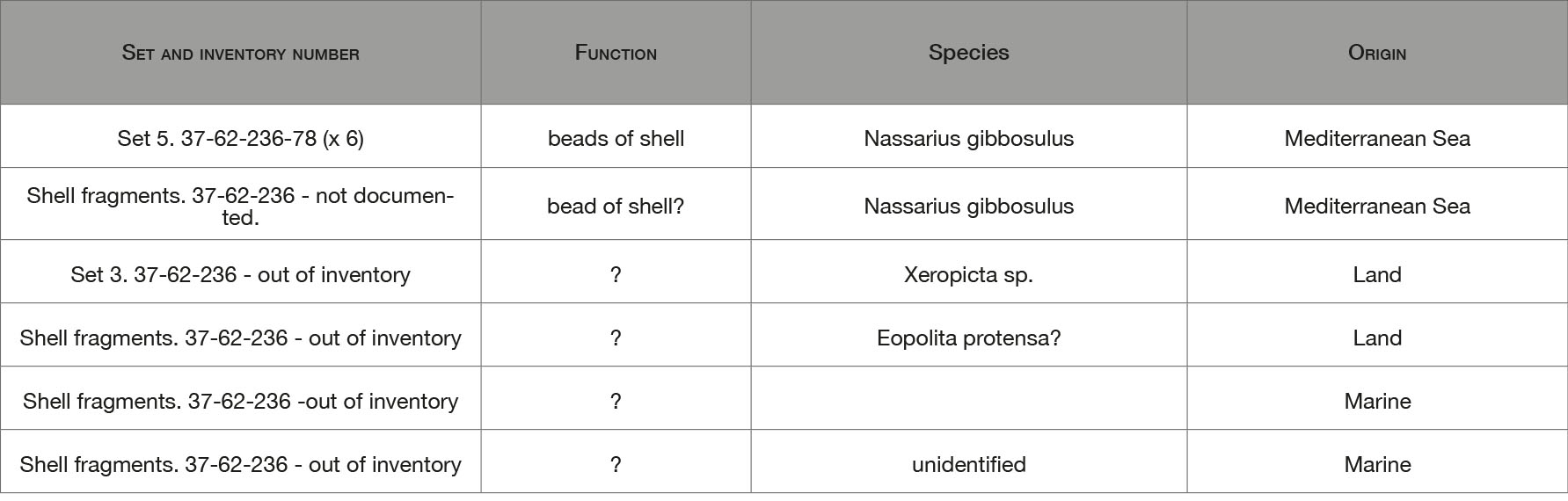
An alabaster disc was quite big and thick; perhaps it was a kind of a big pendant or another item of finery. There were also more than 400 beads. Round, oval, cylindrical, spindly, rectangular and flat, arrow, leaf- and duck-shaped beads were made of various materials, e.g. cornelian, agate, shell, frit, rock crystal, clay, lapis lazuli and others.
The second bronze pin, mixed with bones and other elements of the grave goods, had a hemispherical head and was broken.
Apart from the two jars which belonged to the person buried last, other vessels have been found inside the chamber as well. A big undecorated jar with a short neck stood in the SW corner of the chamber. On it stood another jar, smaller and decorated with painted horizontal stripes. Also in the SW corner, two shallow bowls were deposited. One of them is a grey ware, decorated with highly defined horizontal ribs; the second has painted decoration on the rim. A miniature jar with painted stripes on the shoulders lay in the NW corner. It could have been deposited along with the little child since such small vessels are typical for burials of children. Another bowl, decorated with three horizontal grooves, was deposited in the NW corner.
Some burial goods were also deposited in the vestibule. A big broken pot lay on its side in the NE corner. It could have been the first item deposited in the vestibule and subsequently destroyed during the burial of the child from GP29 (NW corner of the vestibule).
About 5-10 cm above the child’s grave in the vestibule, in the SW corner, a big undecorated jar (43.5 cm high) lay on its side. Another big jar (37 cm high), decorated with painted horizontal stripes, stood in the NE corner, above the broken pot. Perhaps this jar was supposed to replace the broken pot. It could have been placed in the vestibule at the same time as the jar from the SW corner or later.
Description Joanna Mardas/archaeologist
| BIOARCHAEOLOGICAL ANALYSIS |
Human remains
A multiple deposit of adult and subadult skeletons; many animal elements were also present. Bones were strongly eroded, and many individuals were represented only by a few teeth/bone fragments.
Dr. Arkadiusz Sołtysiak/IA UW/anthropologist
Animal remains
The chamber grave with barrel vault GP26 contained 329 bone fragments with post-consumption debris features and 156 bones belonging to the almost complete skeleton of the dog. The remains were located in various places in the burial shaft leading to the chamber, in which 15 dead people were buried, both children and women and men of all ages.
In the collection of 329 post-consumption remains, 192 fragments (58.3%) were identified with regard to species and anatomy, which belonged to various species of domestic animals: sheep or goat (some of which were unambiguously identified as sheep), cattle and pigs. The shares of bone remains of particular species were similar (about 33% each). Small ruminants were represented by different parts of the carcass. Most noted were bones of the thorax and of the proximal segment of theback limb, valuable from the point of view of consumption. Subsequently, remnants of the head and proximal segment of the foreleg were noted. Much less in evidence were bones of distal segments of both extremities. In this assemblage, 12 fragments comming from individuals killed at a young age below the age of 3.5 years, were separated. On the basis of the lateral length of the tarsal bone, the height at the withers was calculated, which equaled 53.5 cm, what confirms its belonging to a small form.
Among the remains of cattle, just over half were skull bones and teeth, in the second place there were finger segments. Few fragments represented the proximal and distal sections of both extremities, in addition one vertebra was recorded. Based on the abrasion degree of several molars, the age was specified; four of them came from young individuals, under-three-year-olds, one from an about 5 years old, and another one from an about 7 years old. The two metatarsal bones belonged to males. Twelve bone fragments were measured, the values of which were converted into a hundred-point scale. Two of them ranged from 0 to 30 points, nine from 31 to 70 points, and one corresponded to 82 points. Most of the remains came from animals belonging to the type Bos taurus brachycerosand were mainly of medium, less often low body size; only one individual was larger, in the type Bos taurus primigenius. Based on the length of the metacarpal bones of the male, the height at the withers, which was equal to 123.7 cm, was calculated.
Pig bones were represented by all parts of the carcass. Dominant among them were the bones of two valuable parts of the carcass, namely of the proximal segment of the foreleg and of the trunk. On second place were the remains of the head with teeth. The bones of the distal segment of the foreleg, back limb and finger segments were recorded the least. In the assemblage of the pig's remains, eight fragments came from young individuals, and one of them belonged to a female. Four bone fragments were measured, the values of which were converted into a hundred-point scale; obtaining 15, 24, 26 and 30 points. They belonged to the domesticated form, individuals with low and medium body sizes. Additionally, based on the length of the tarsal bone, the height at the withers was calculated, which was 60.8 cm.
Next to the remains with charcteristics of post-consumption waste, in the southern part of the burial shaft there was burial of a dog. The skeleton was arranged in an anatomical order, on the north-west – south-east axis, with the head facing southeast. The bones belonged to one adult individual. Almost all anatomical elements were present, except for the penile bone, which may suggest that it was a female. The height at the withers was calculated based on the length of the long bones of the limbs preserved in its entirety. It varied from 49.4 to 51.6 cm; on average it was about 50 cm.
Dr. Joanna Piątkowska-Małecka/IA UW/archaeozoologist
Malacology
 Dr. Aldona Kurzawska/IAE PAS/malakologist
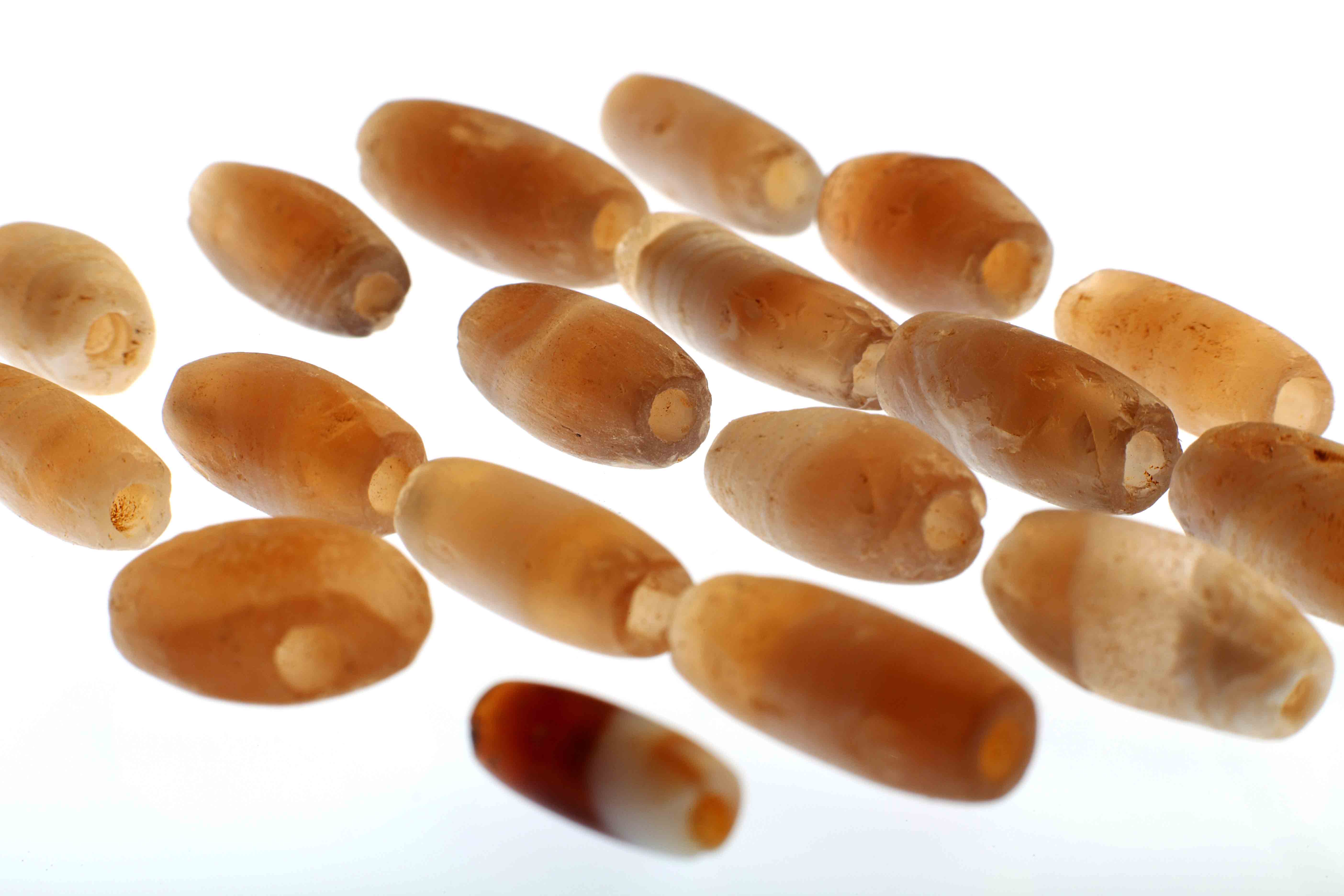
GP26. Beads of agate.
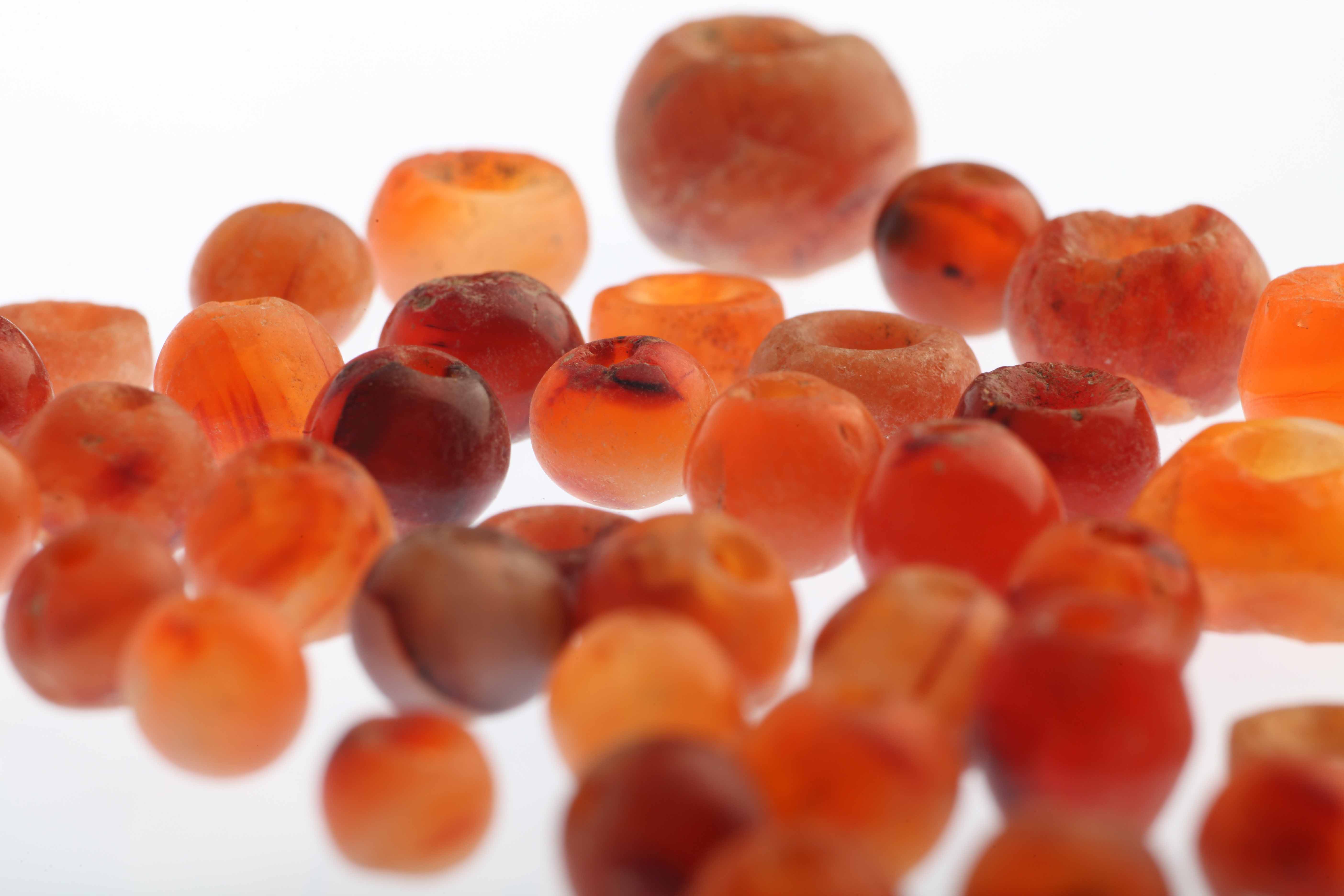
GP26. Beads of cornelian.
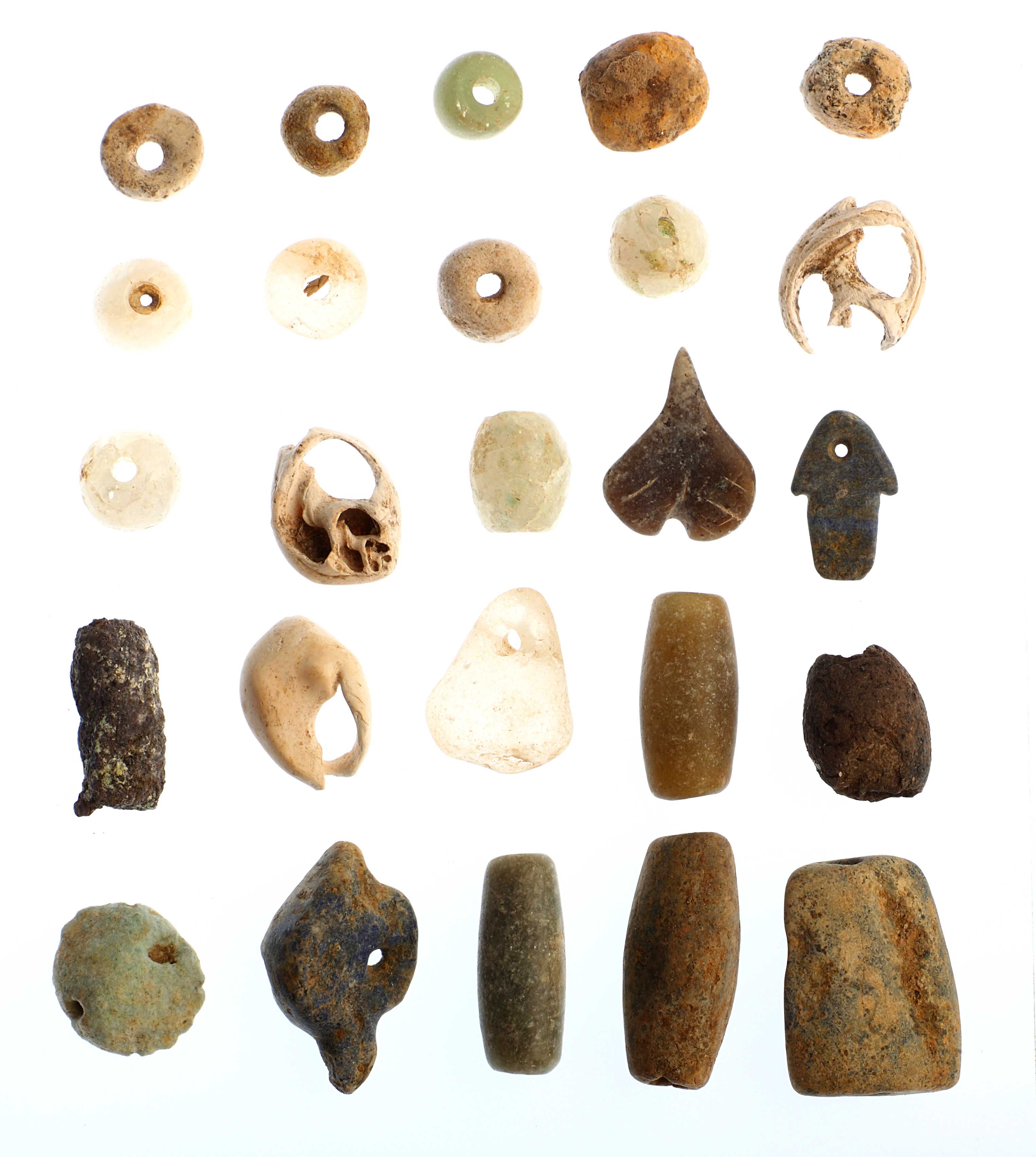
GP26. Personal adornments - varia.
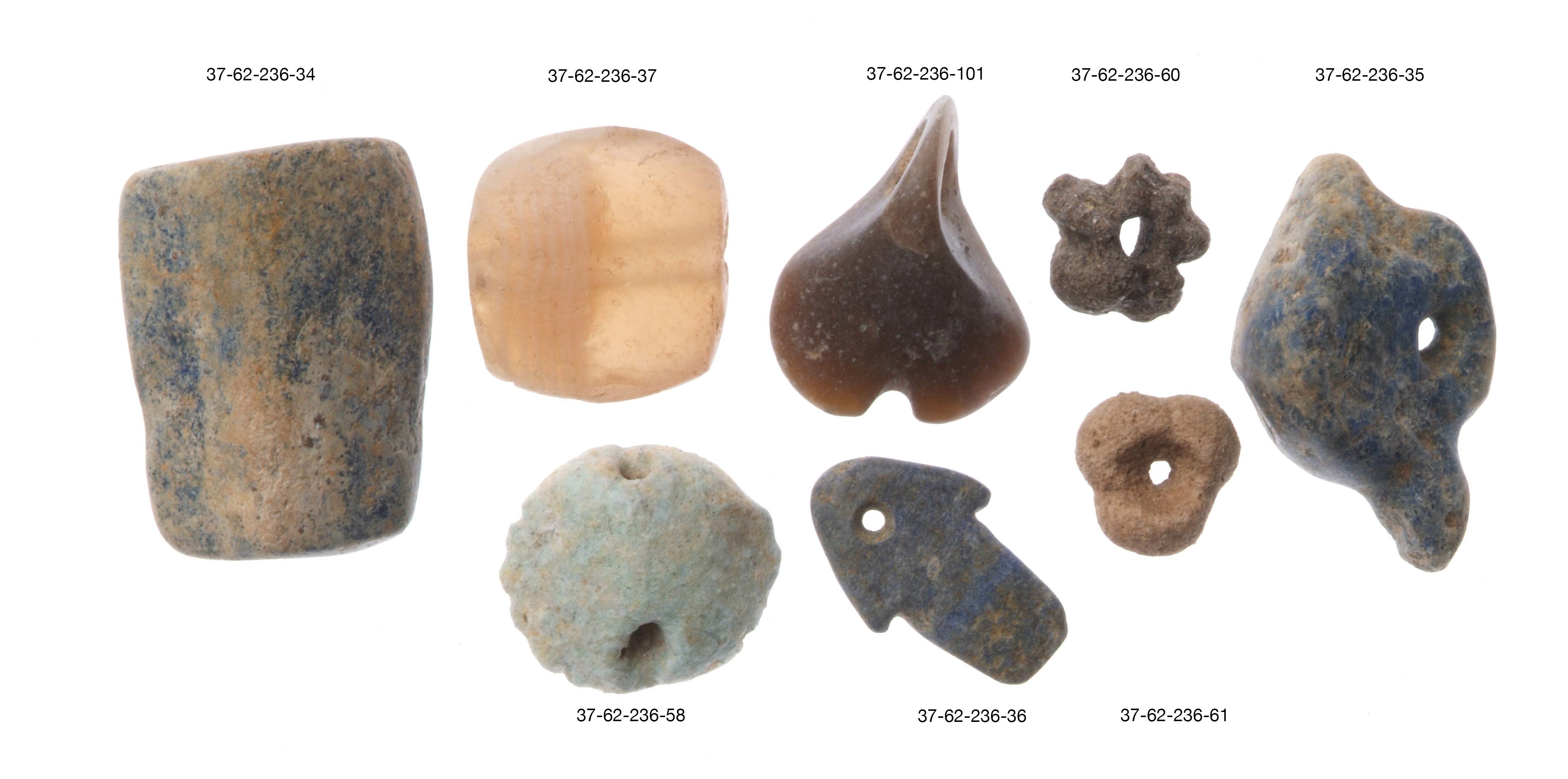
GP26. Personal adornments - varia.
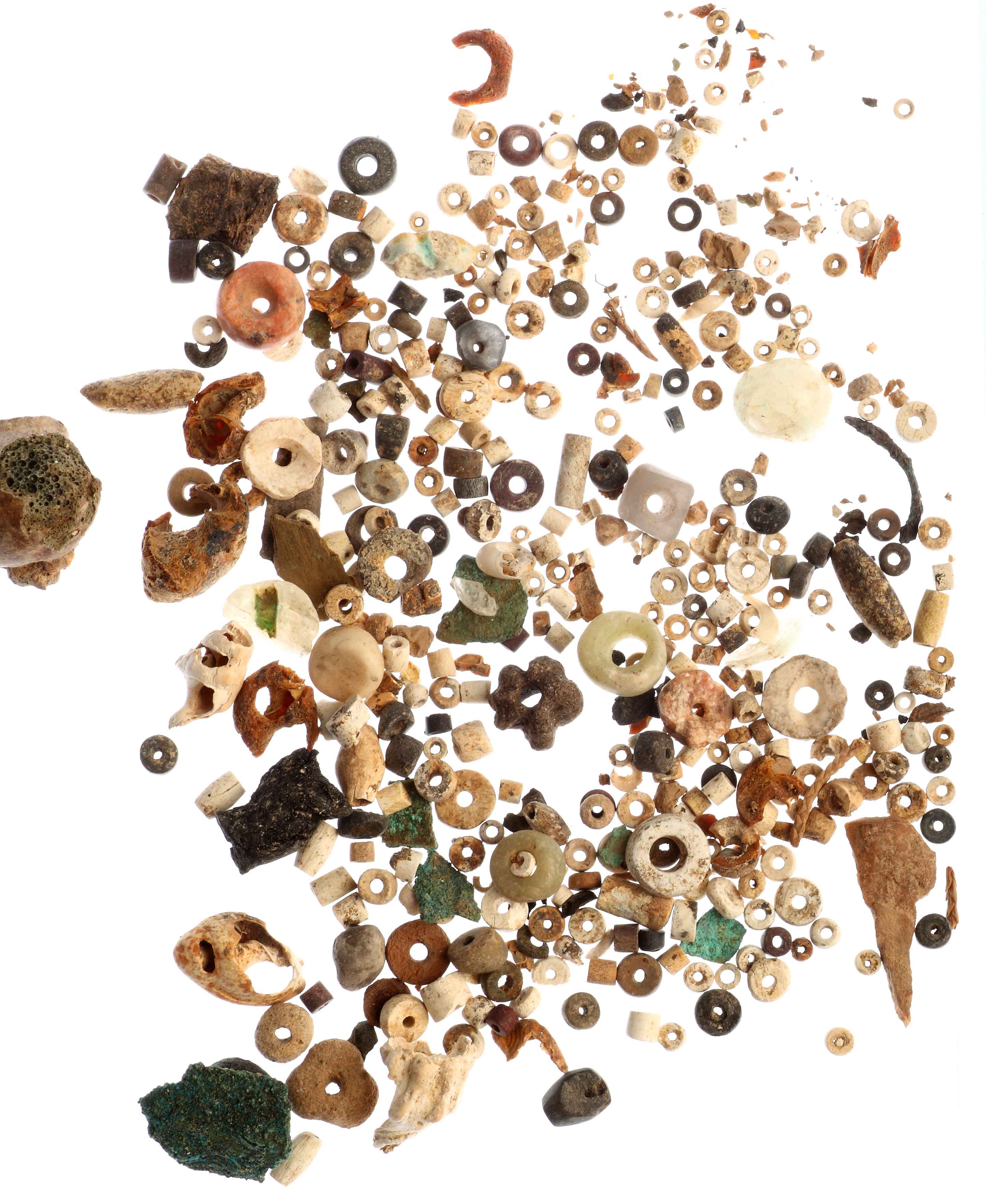
GP26. Personal adornments - varia.
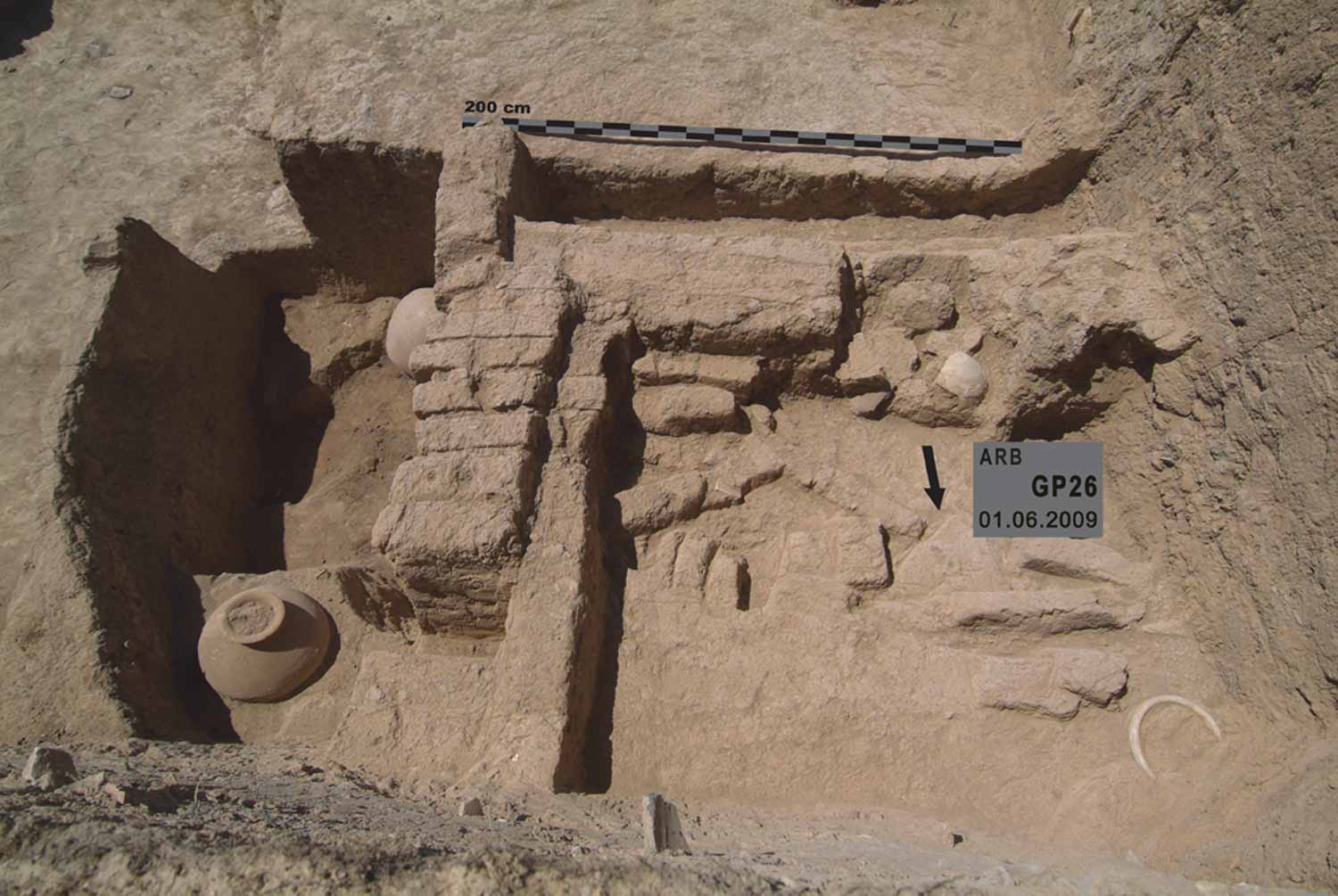
GP26 Between exploration. Seen from north.
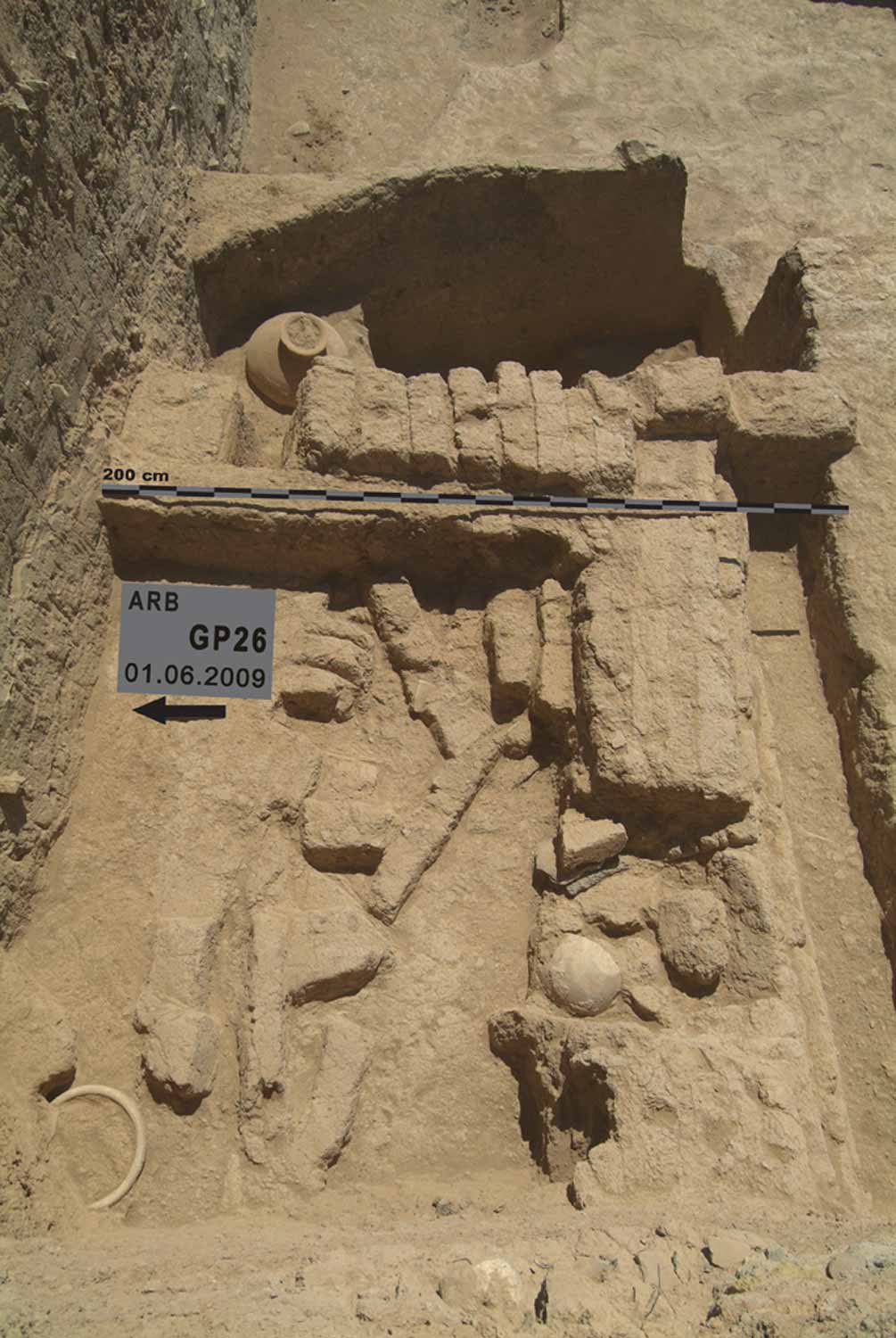
GP26 Between exploration. Seen from north.
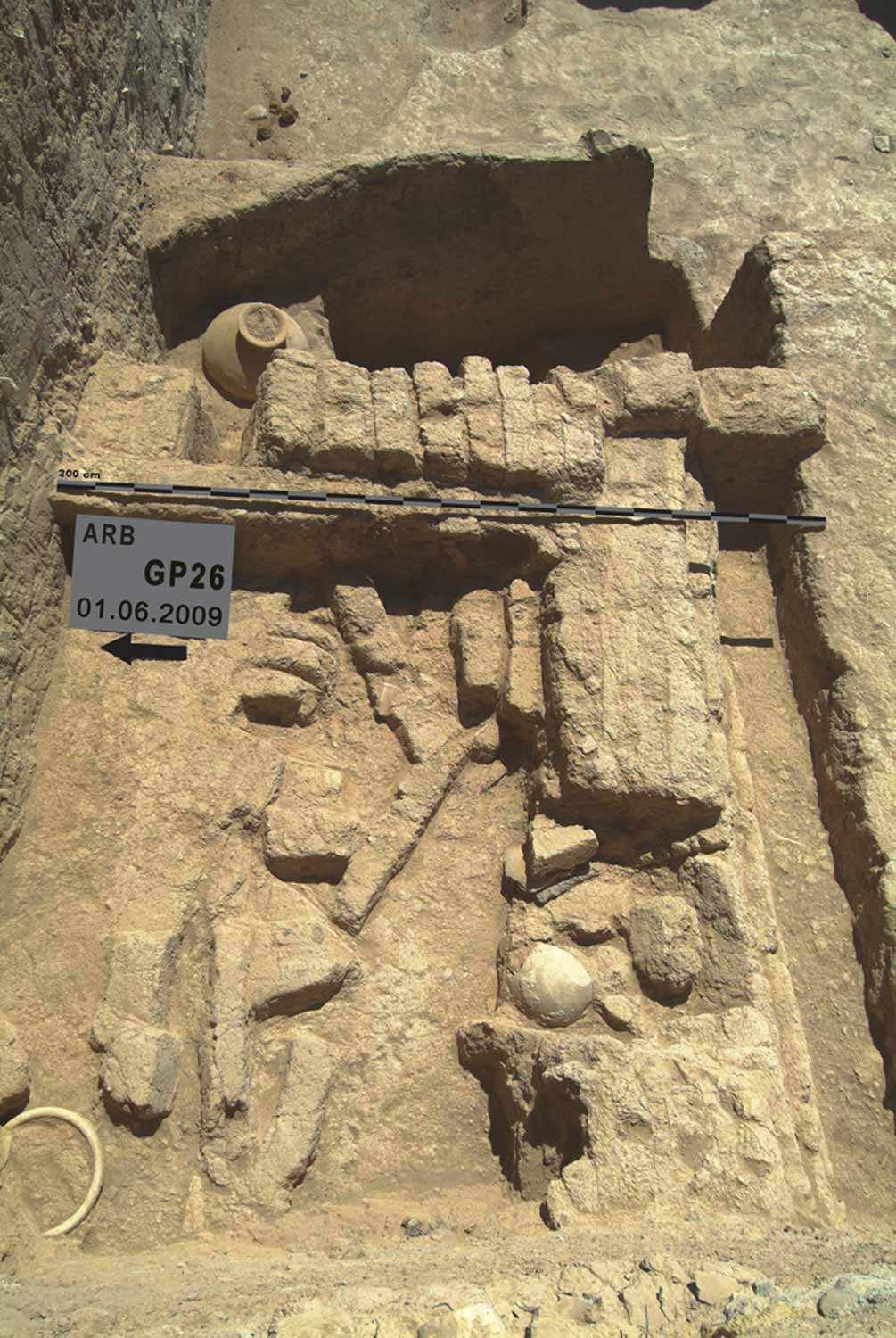
GP26 Between exploration. Seen from east.
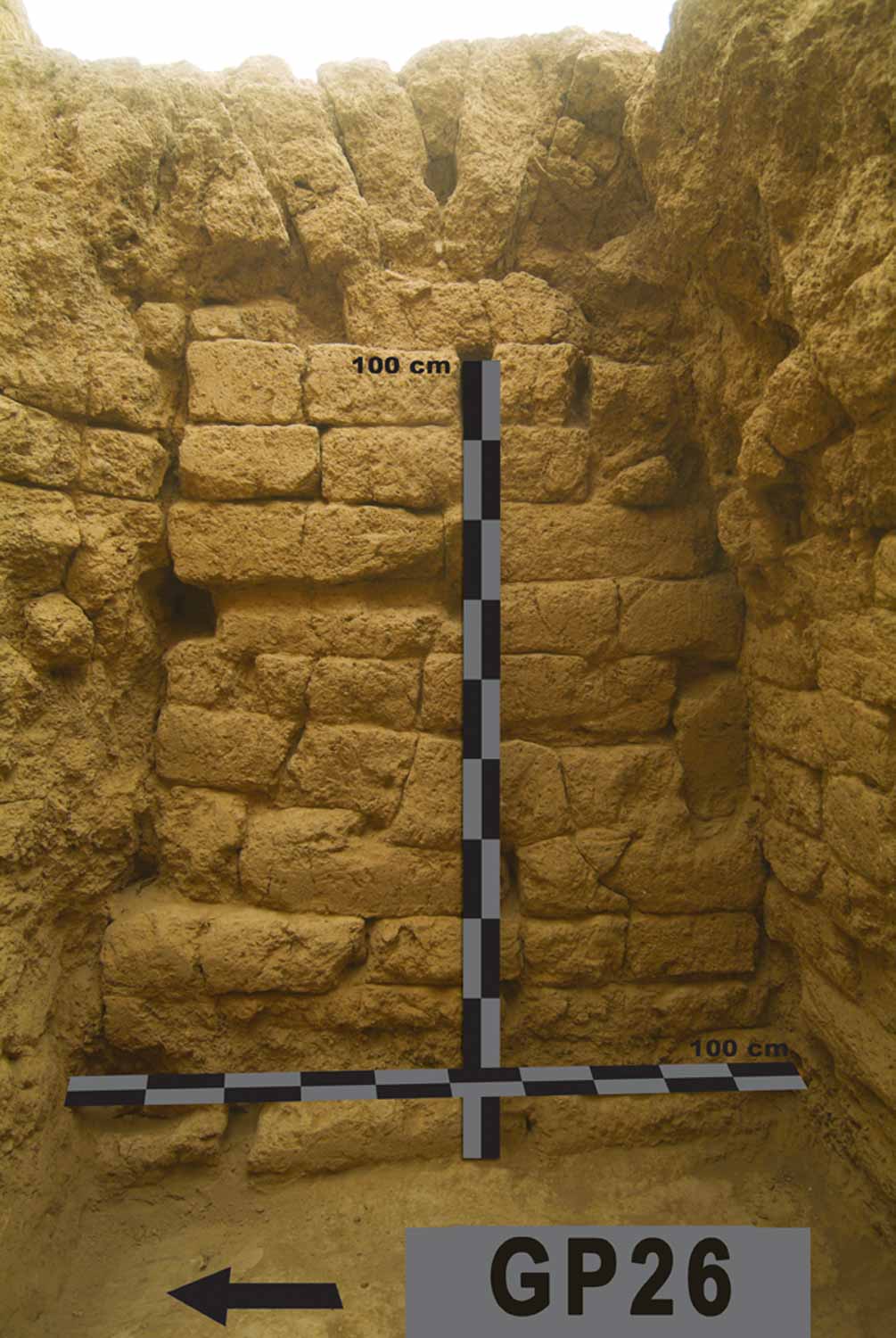
GP26. Explored. View on northern wall - central part.

GP26. Explored. View on northern wall - eastern part.

GP26. Explored. View on northern wall - central part.

GP26. Explored. View on northern wall - central part.

GP26. Explored. View on northern wall - central part.

GP26. Explored. View on northern wall - western part.

GP26. Explored. View on northern wall - central part.

GP26. Explored. View on southern wall - eastern part.

GP26. Explored. View on southern wall - central part.

GP26. Explored. View on southern wall - central part.

GP26. Explored. View on southern wall - western part.
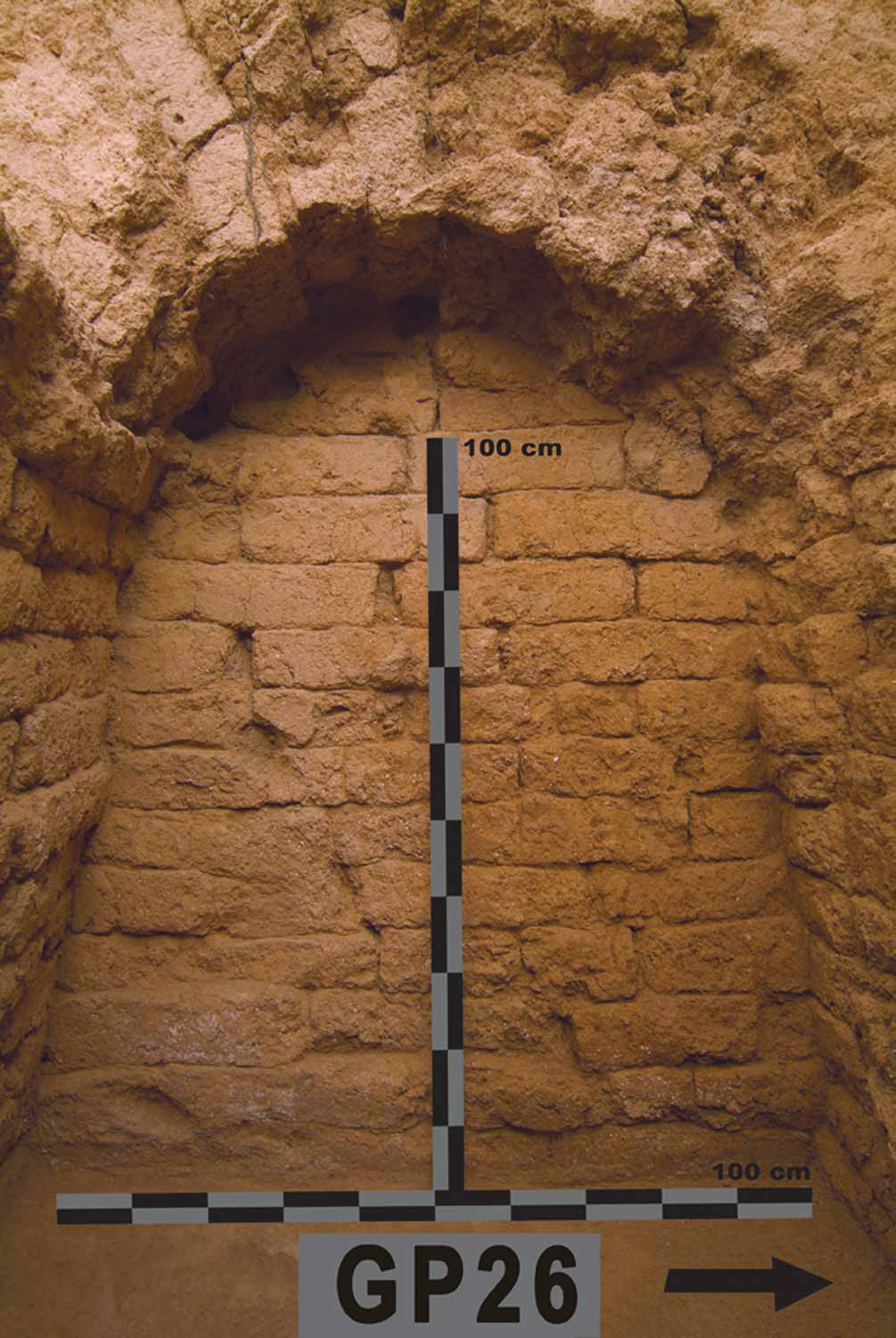
GP26. Explored. View on western wall.

GP26. Explored. View on southern wall - western part.
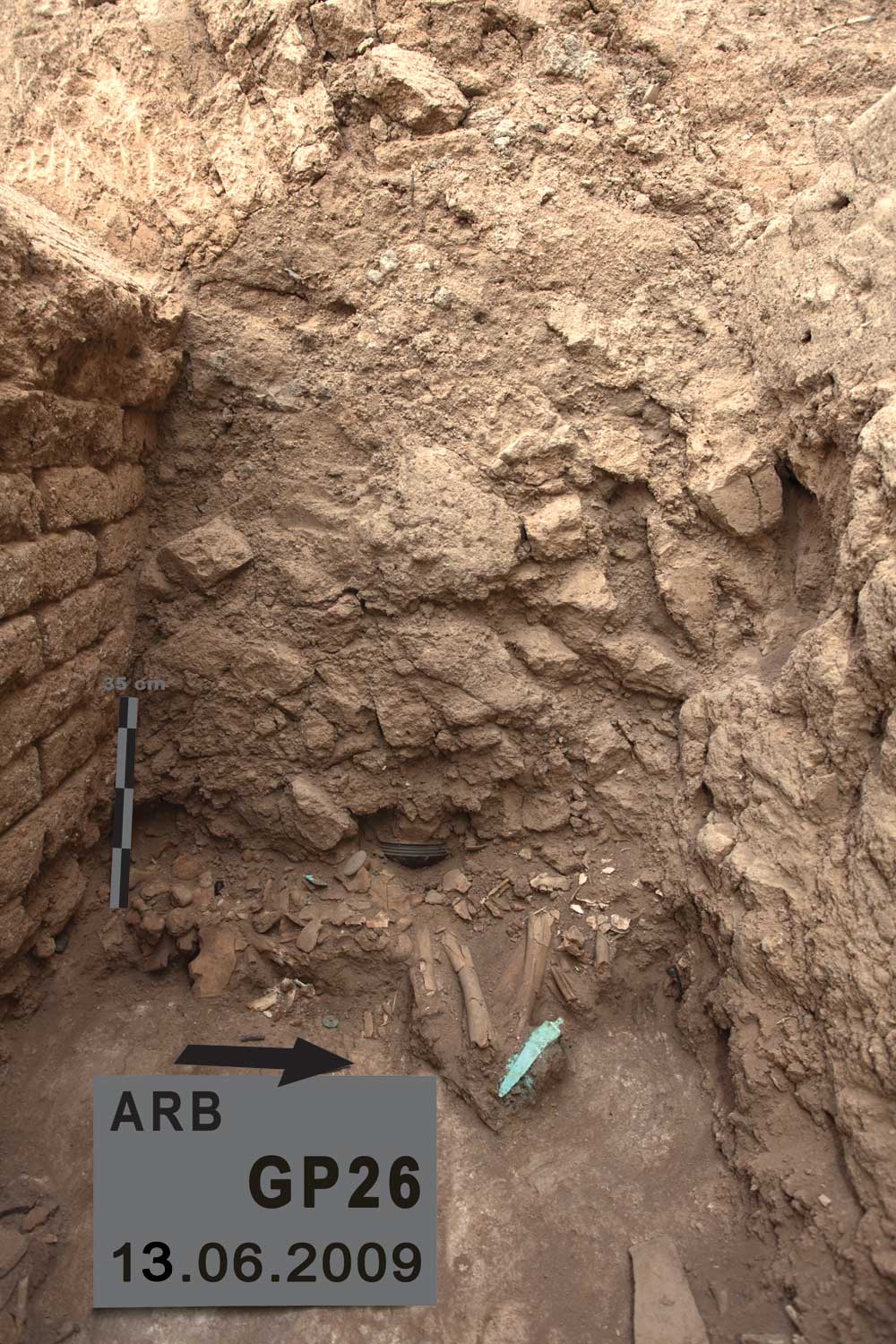
GP26. Excavations in progress.
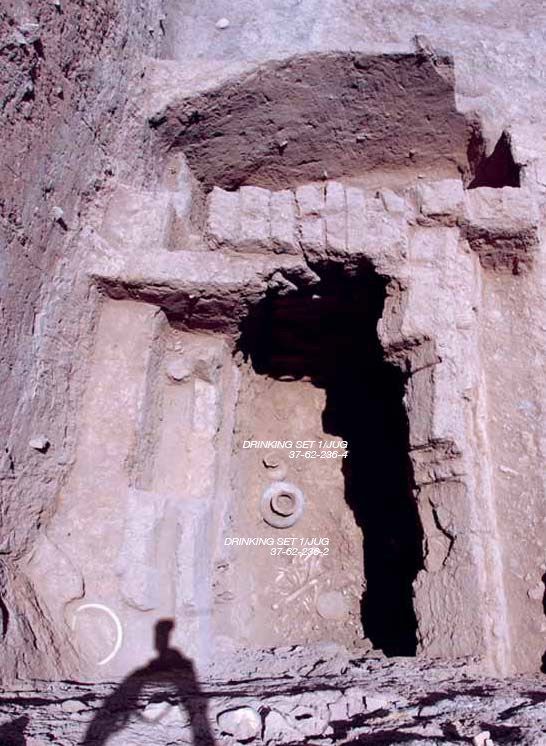
GP26. Excavations in progress.
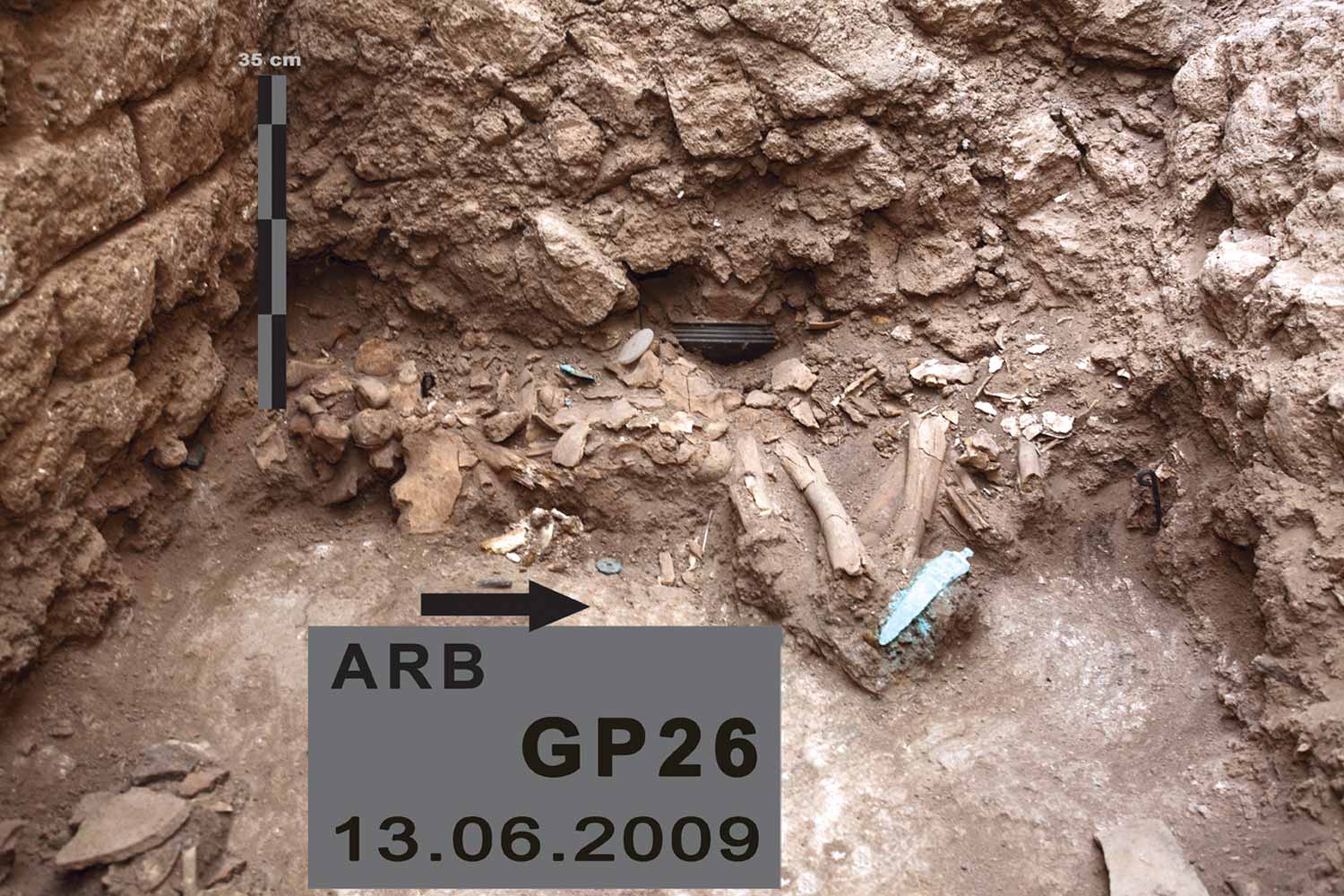
GP26. Excavations in progress.
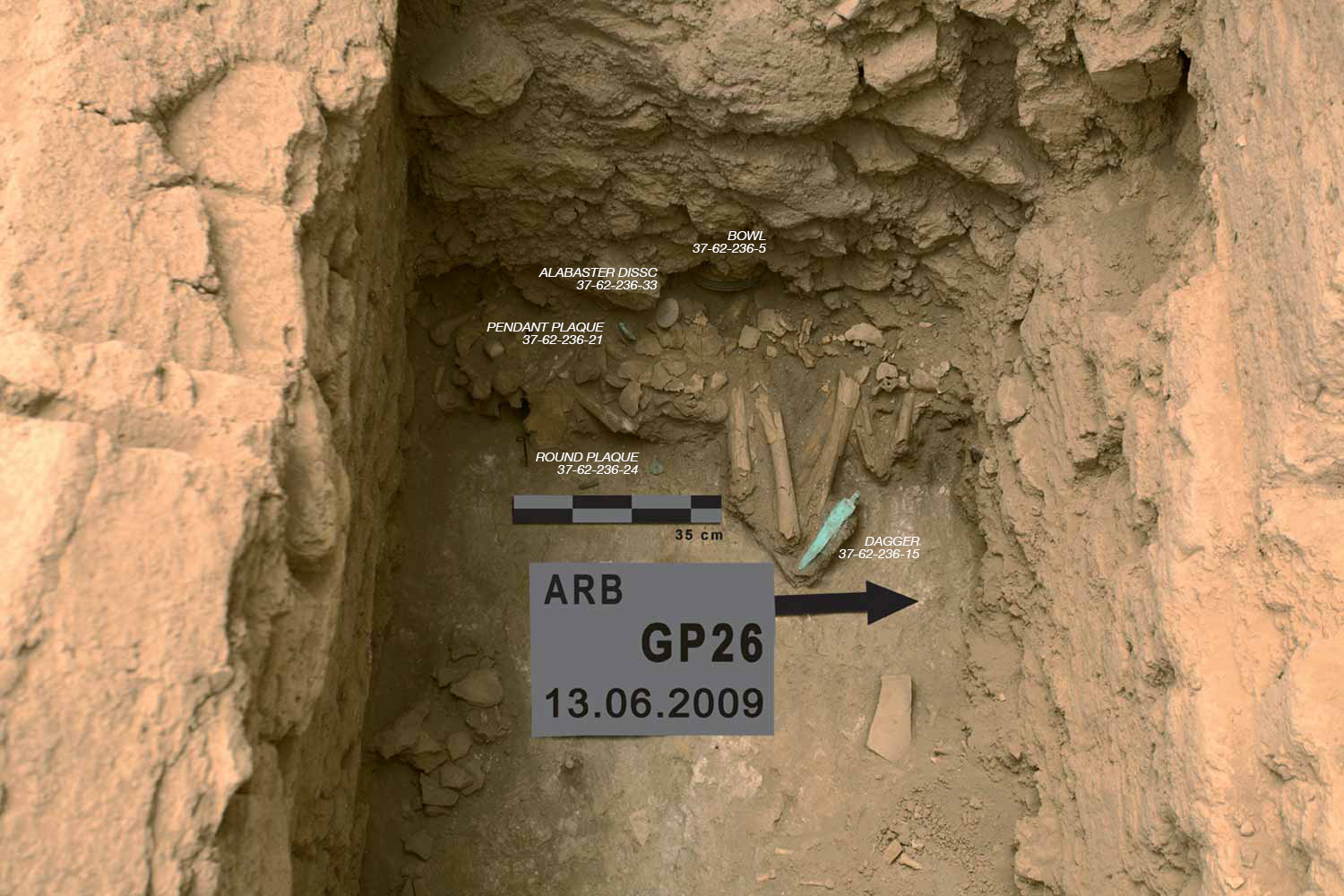
GP26. Excavations in progress.
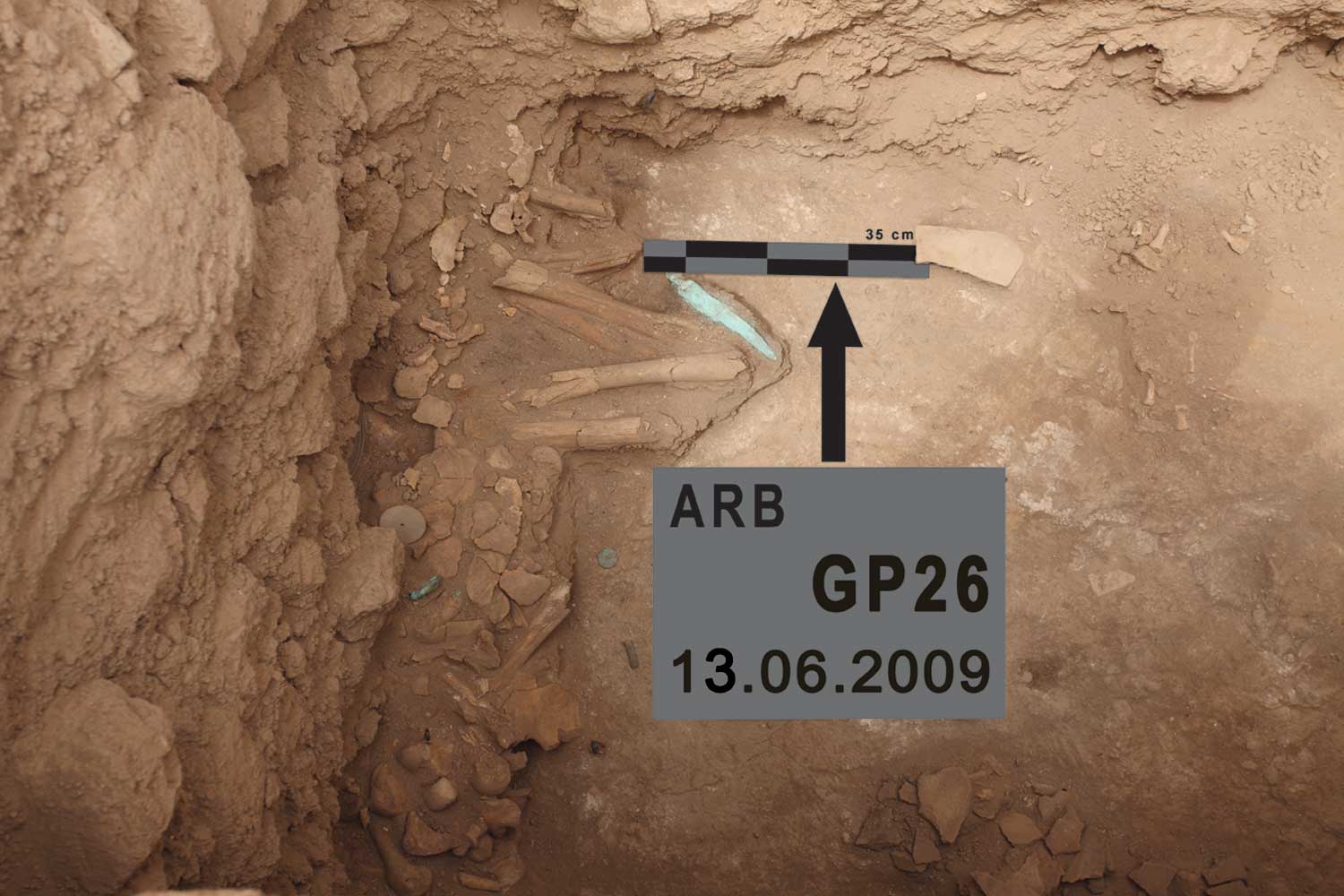
GP26. Excavations in progress.
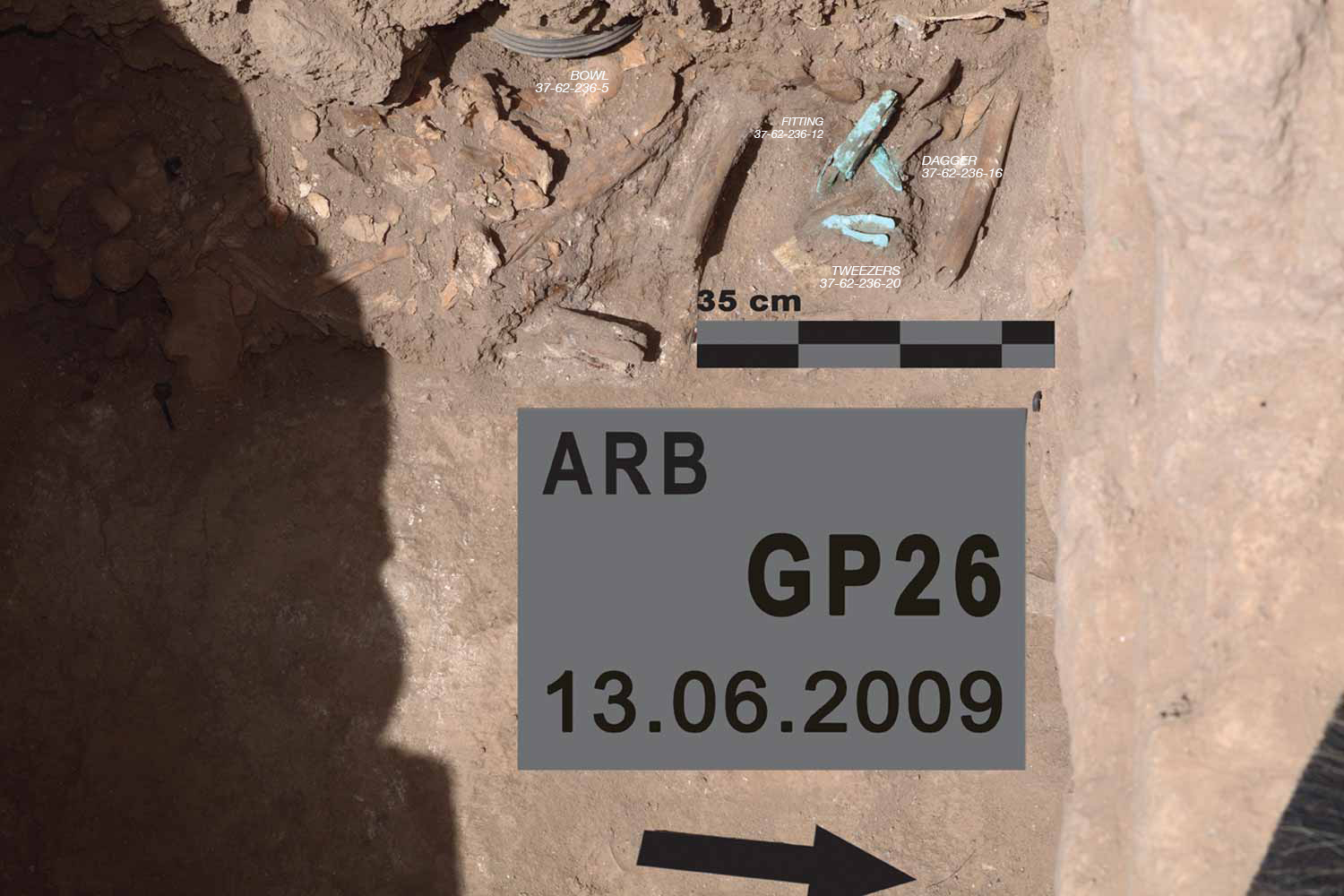
GP26. Excavations in progress.
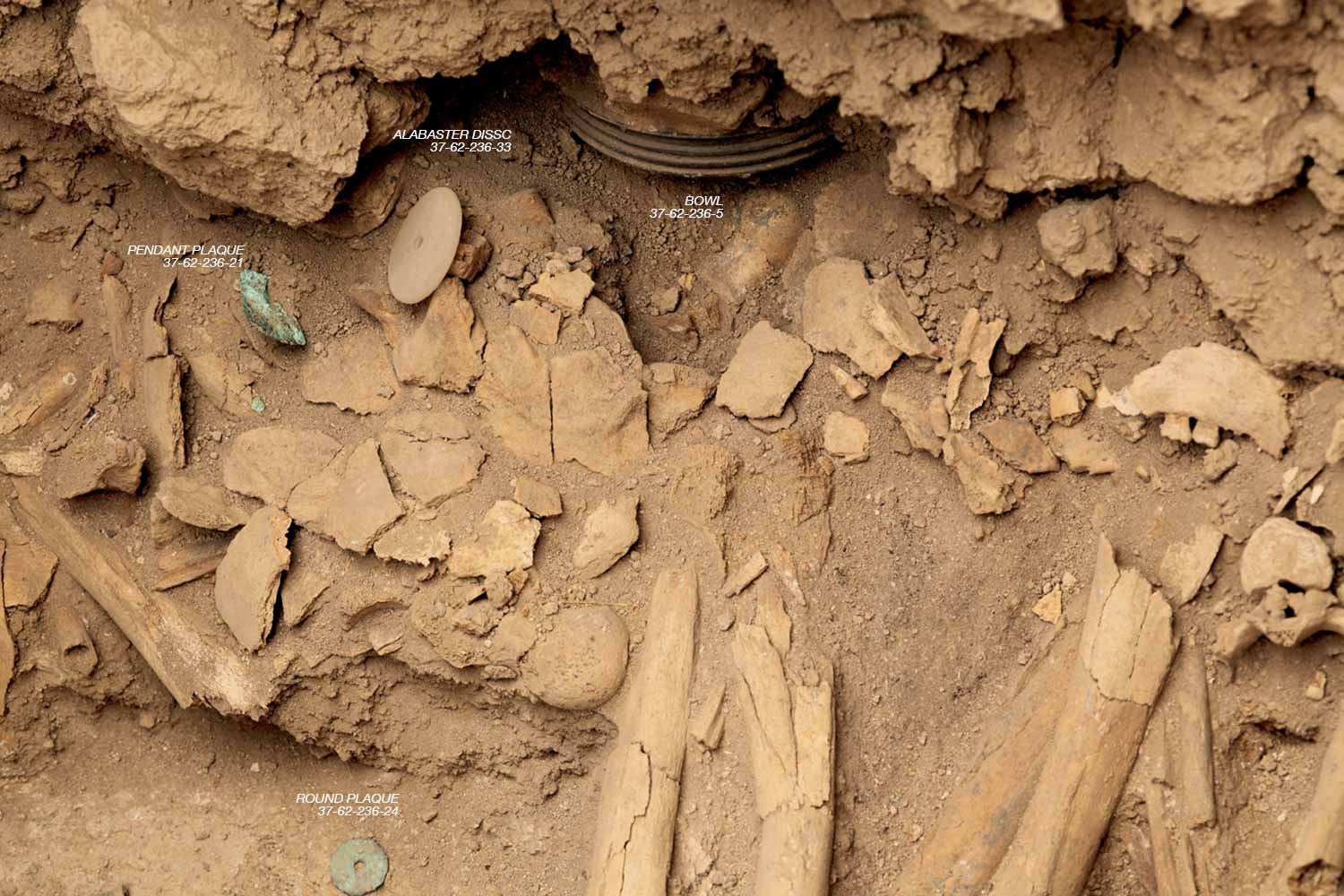
GP26. Excavations in progress.
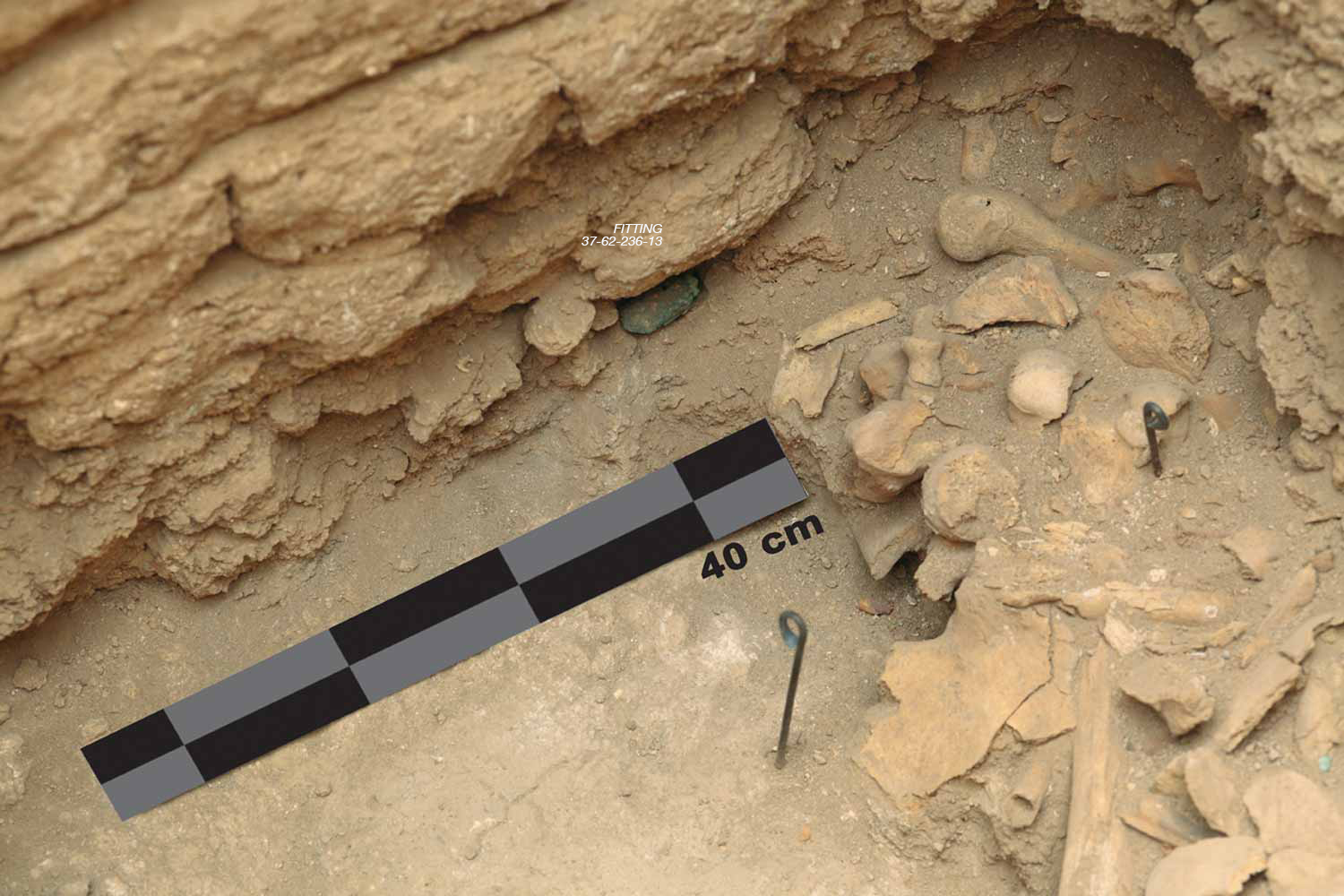
GP26. Excavations in progress.
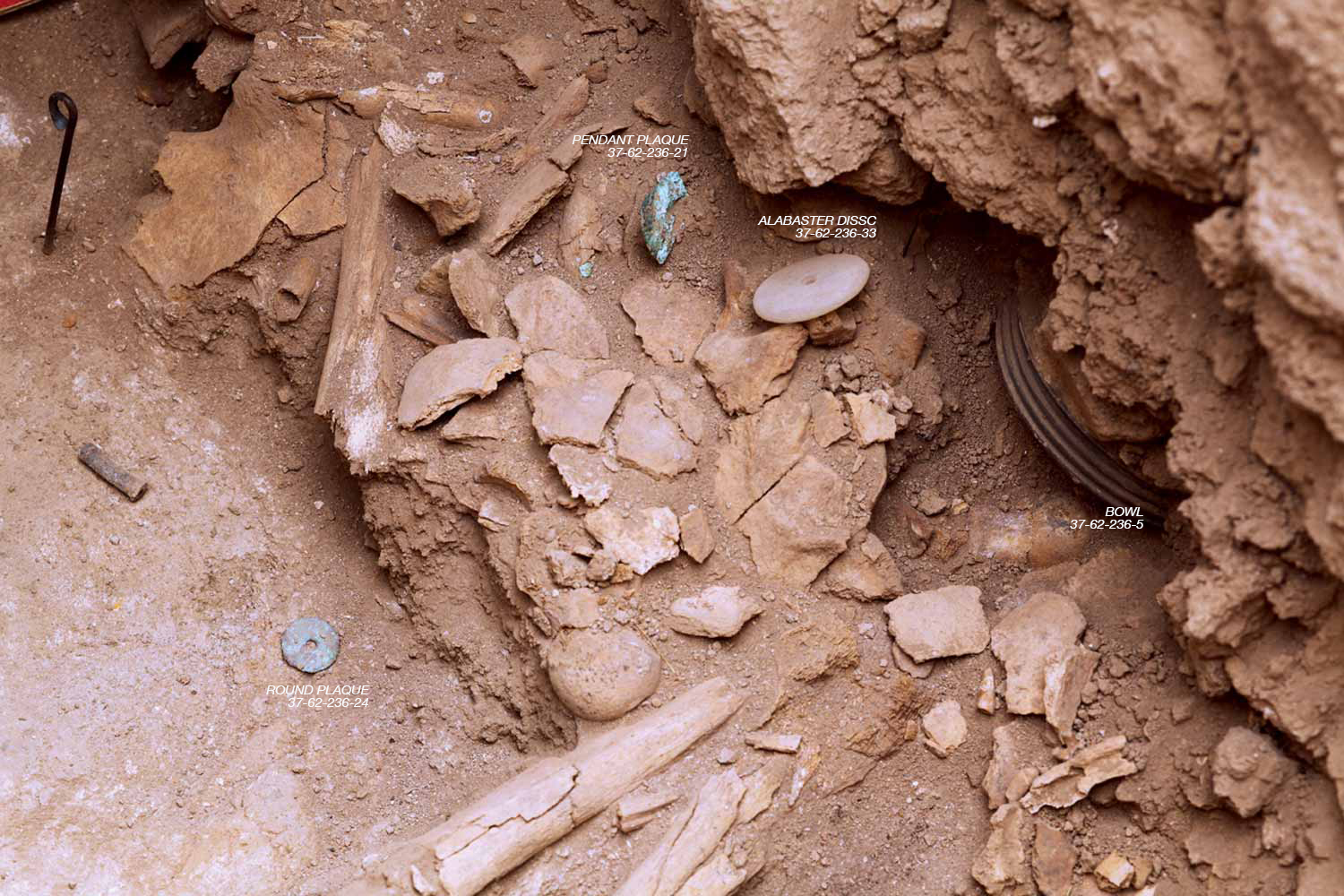
GP26. Excavations in progress.
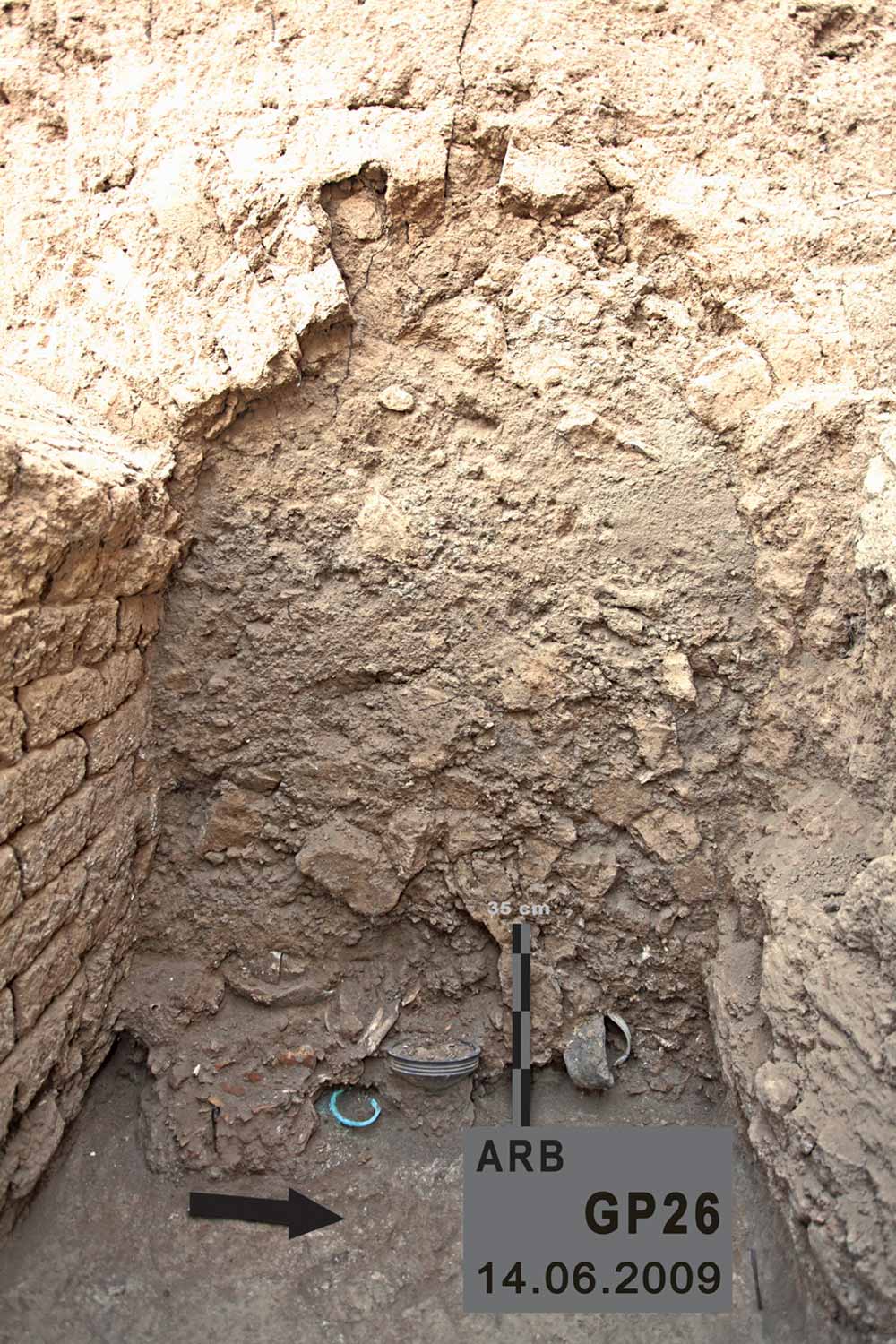
GP26. Excavations in progress.
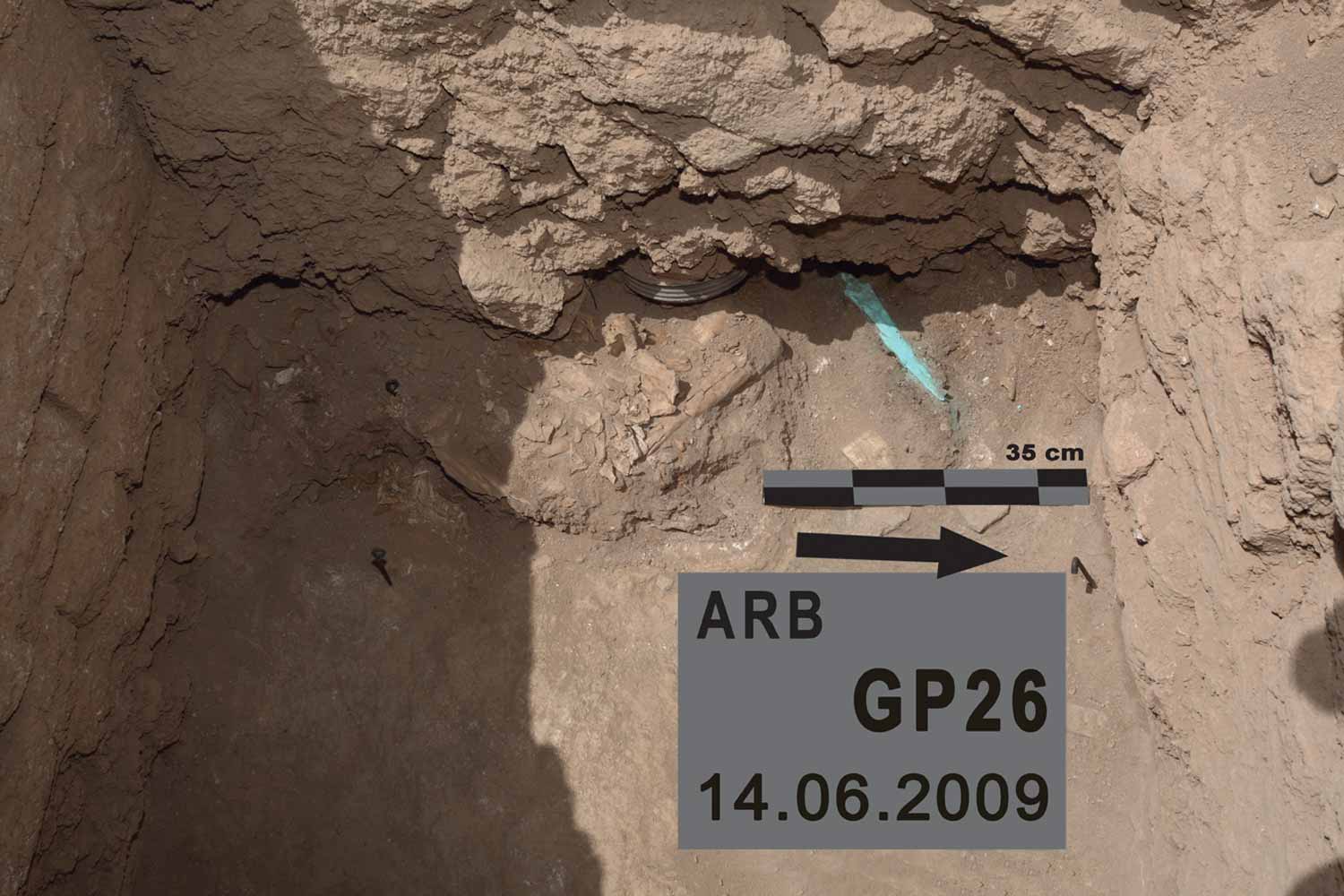
GP26. Excavations in progress.
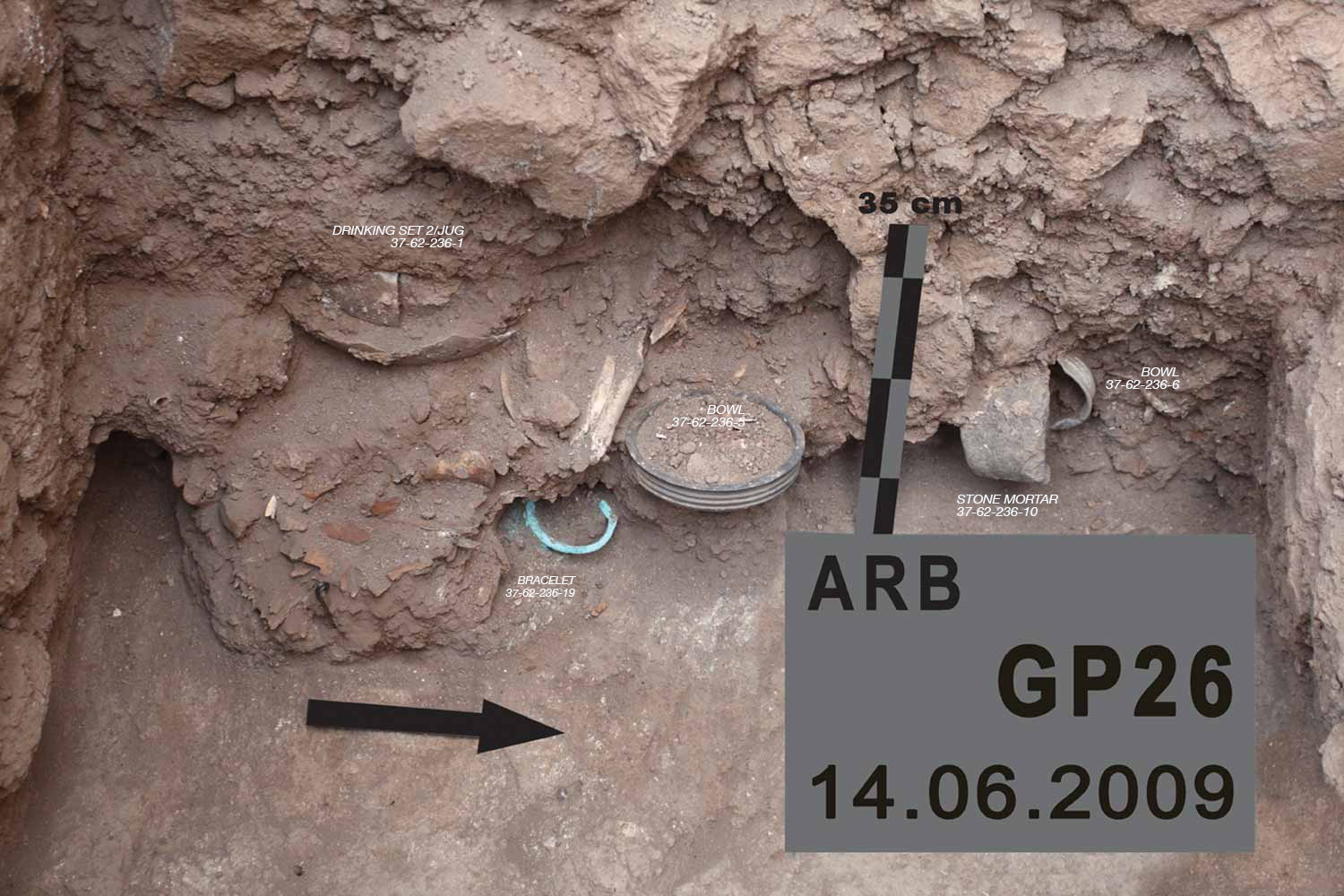
GP26. Excavations in progress.
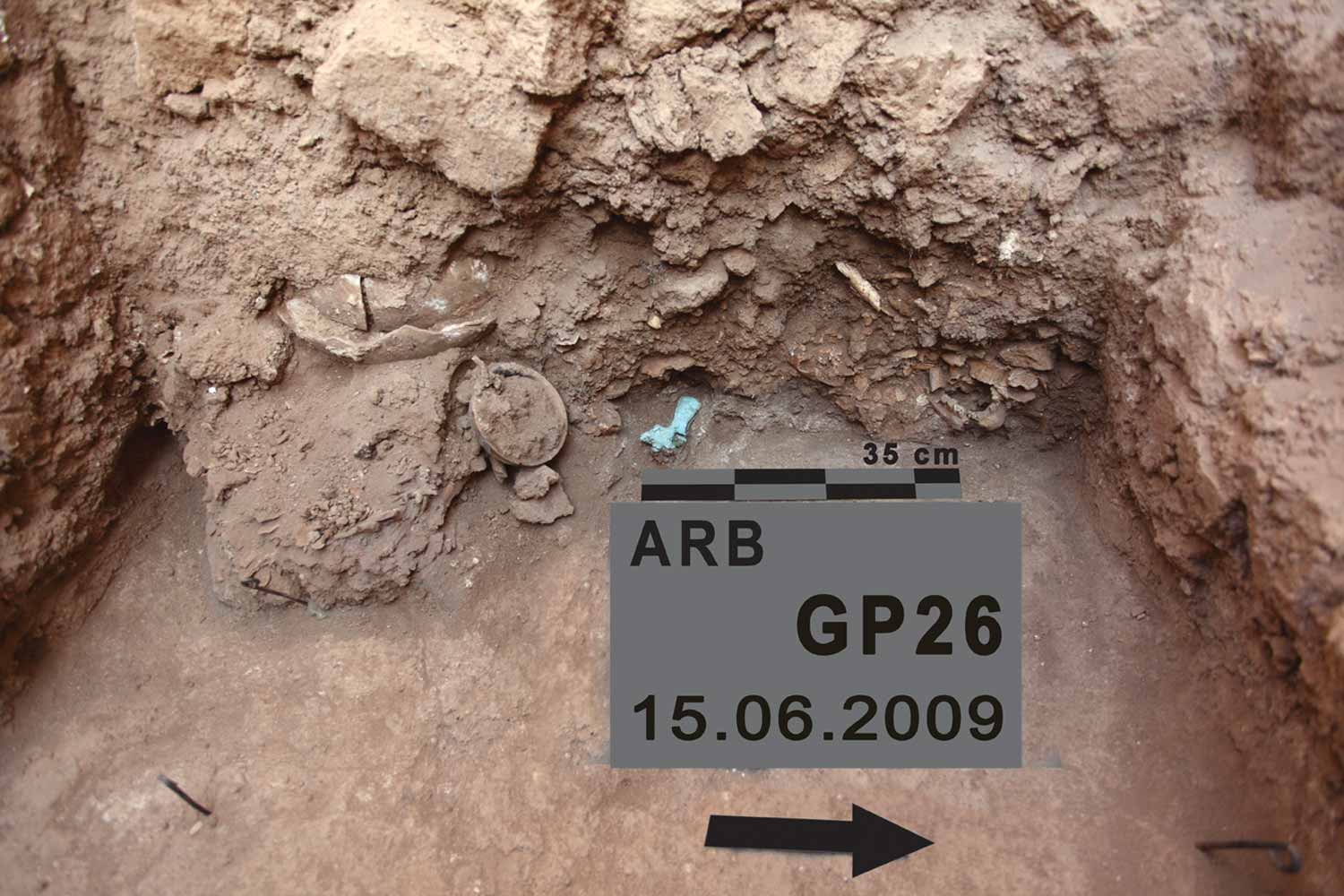
GP26. Excavations in progress.
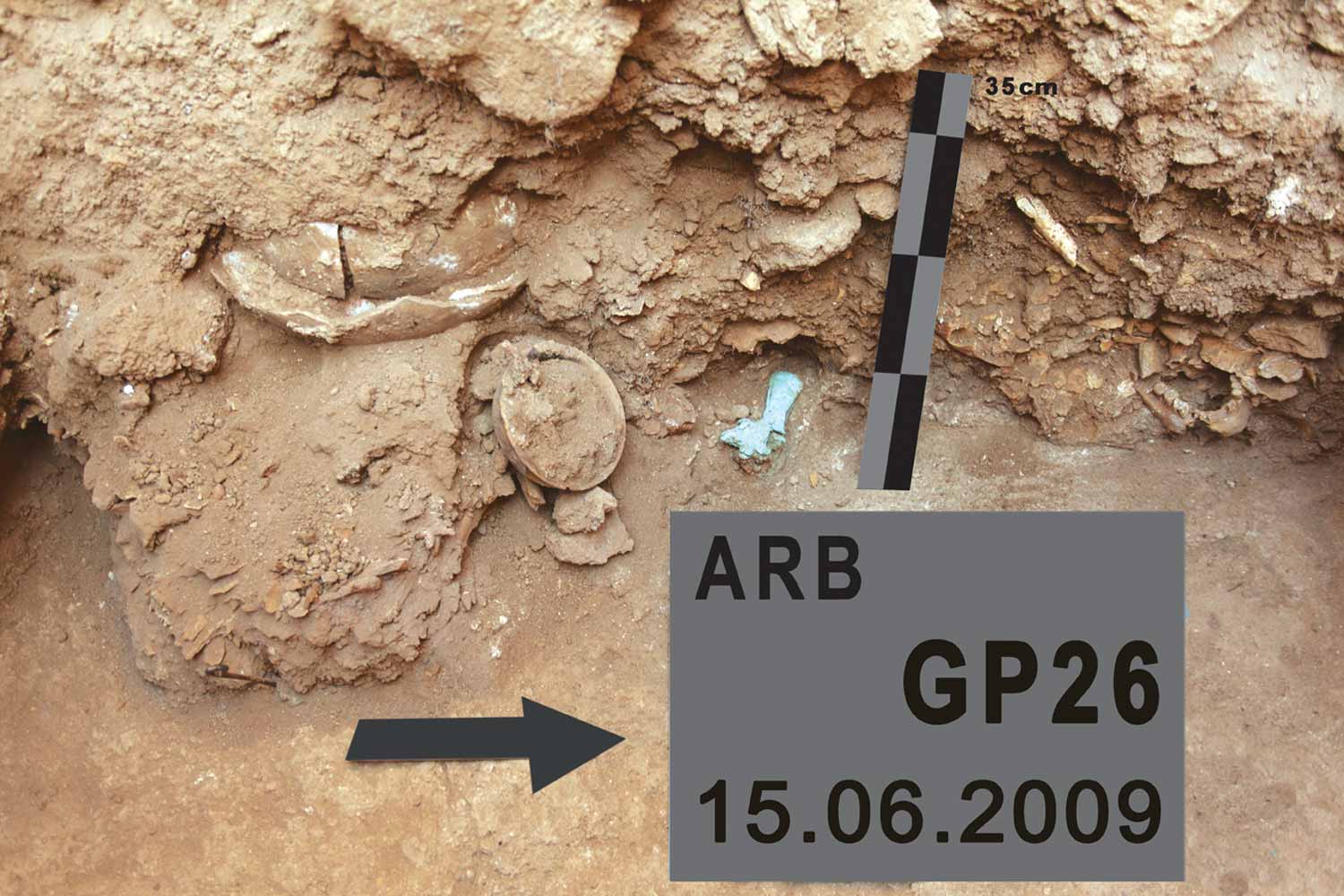
GP26. Excavations in progress.
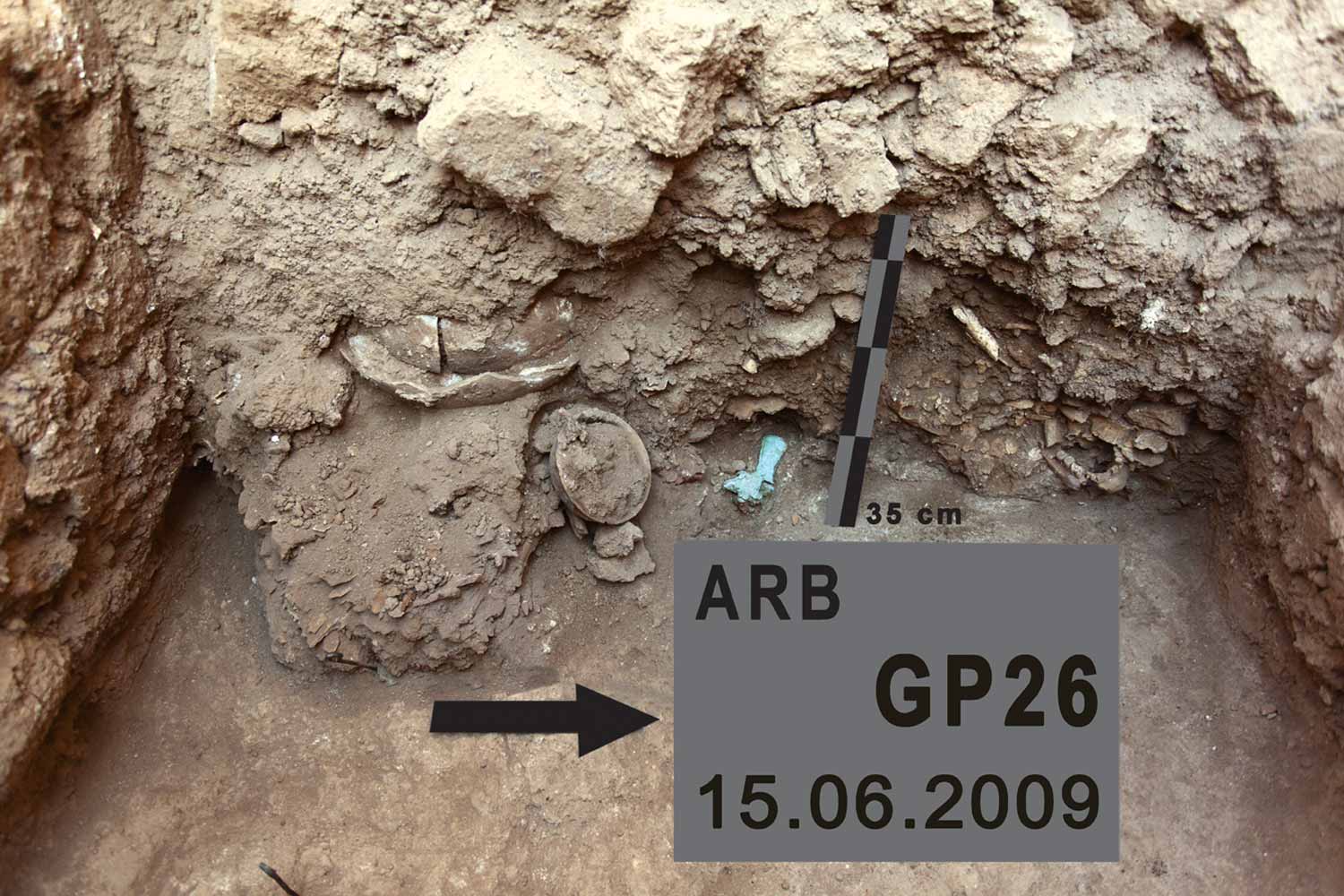
GP26. Excavations in progress.
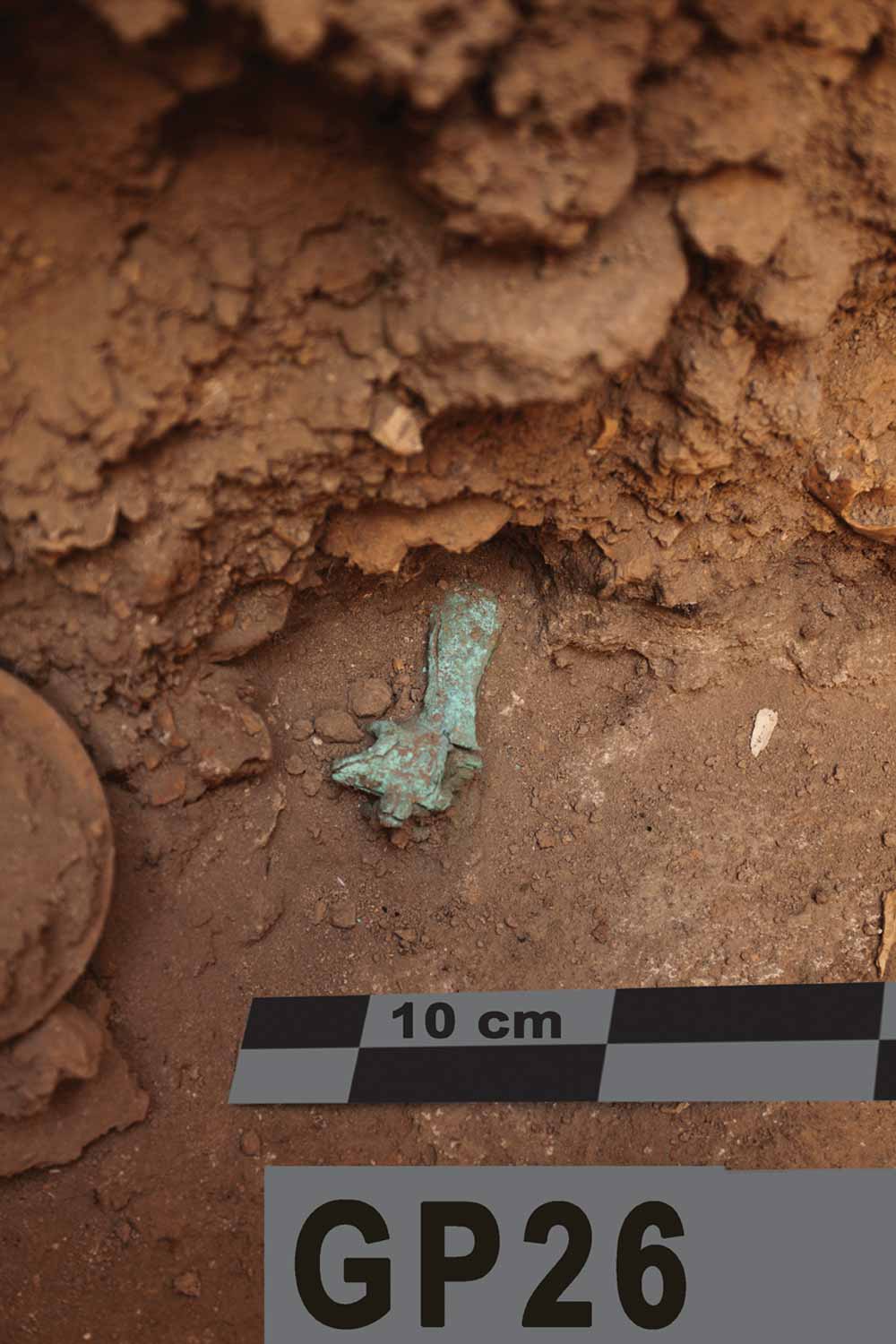
GP26. Excavations in progress.
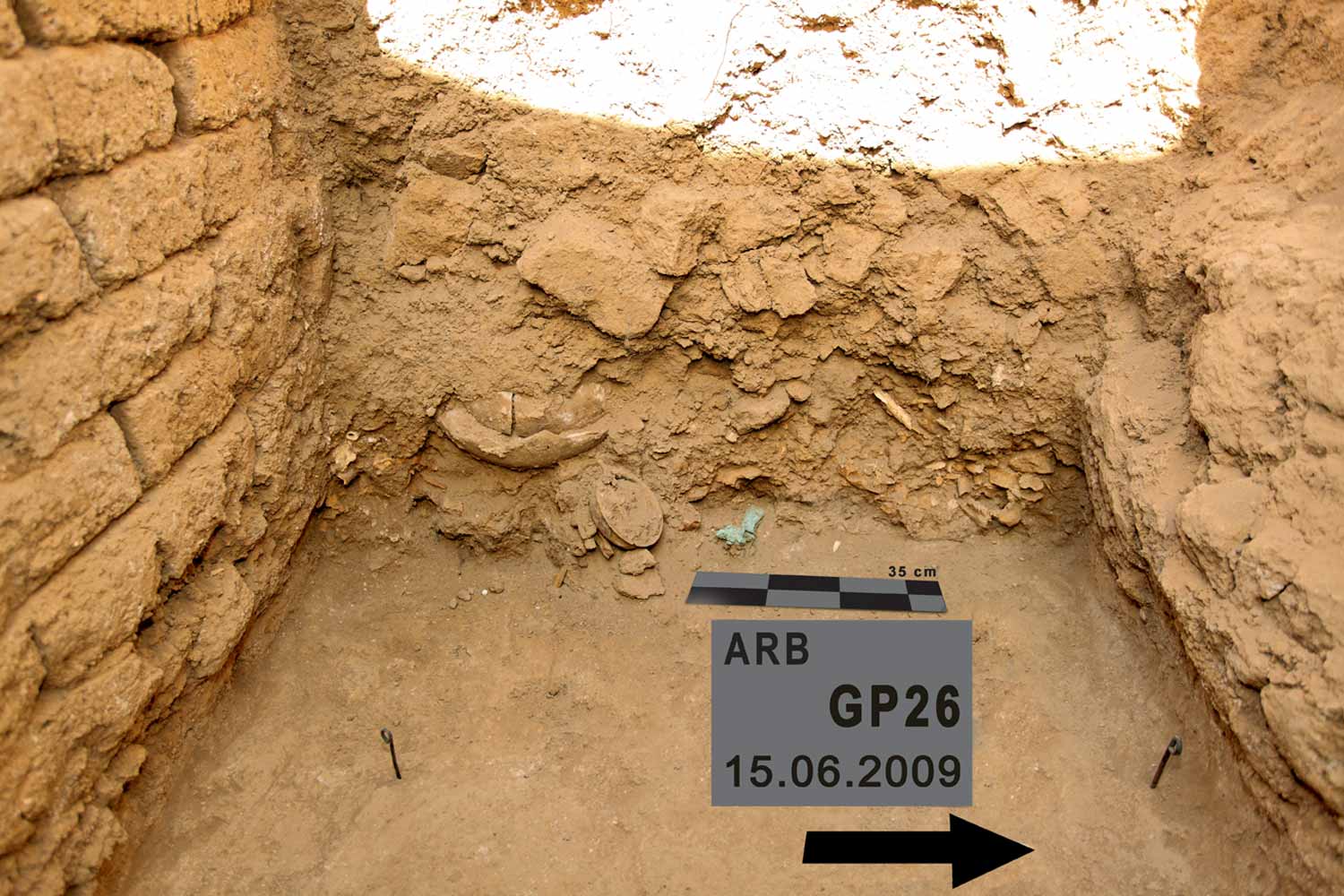
GP26. Excavations in progress.
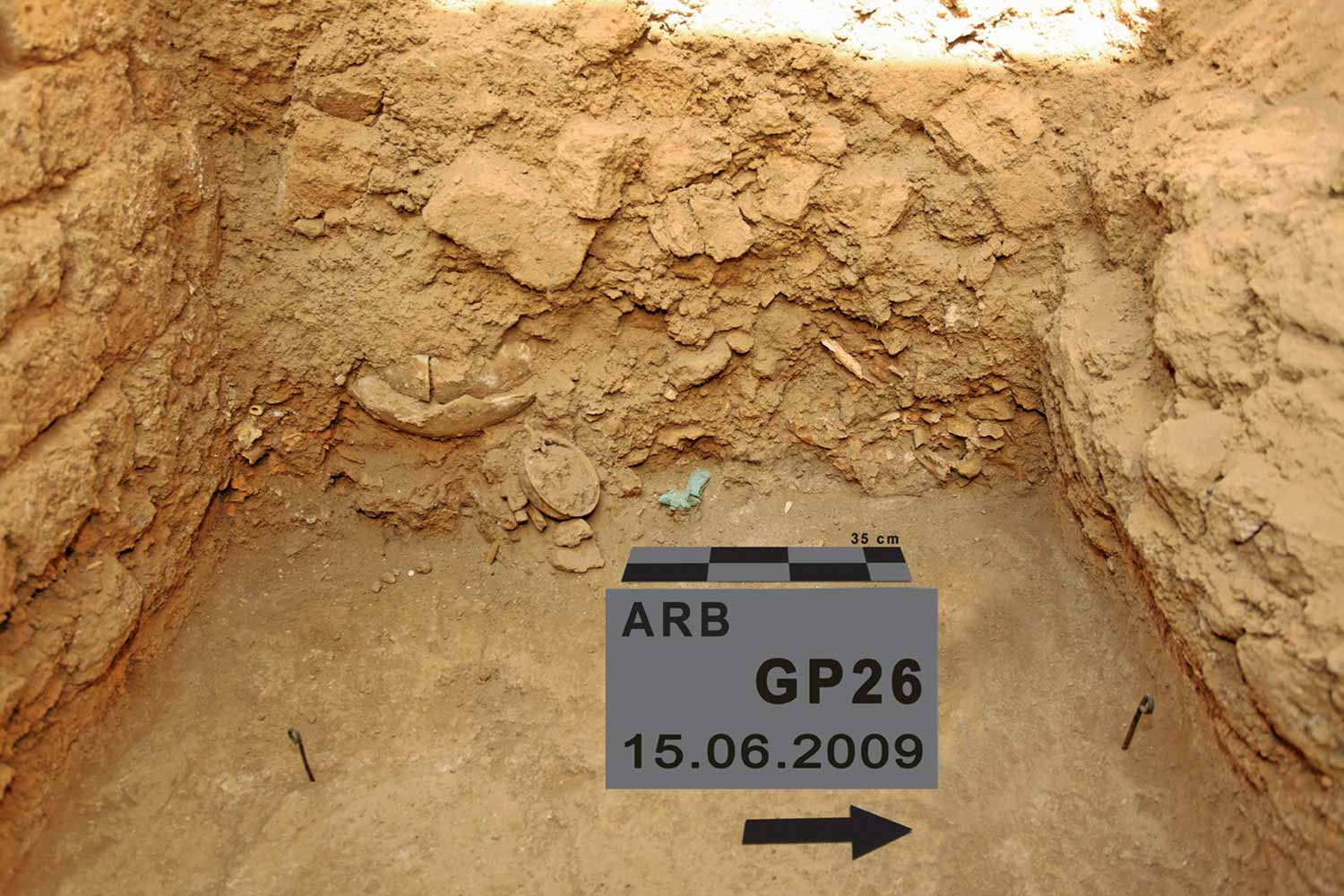
GP26. Excavations in progress.
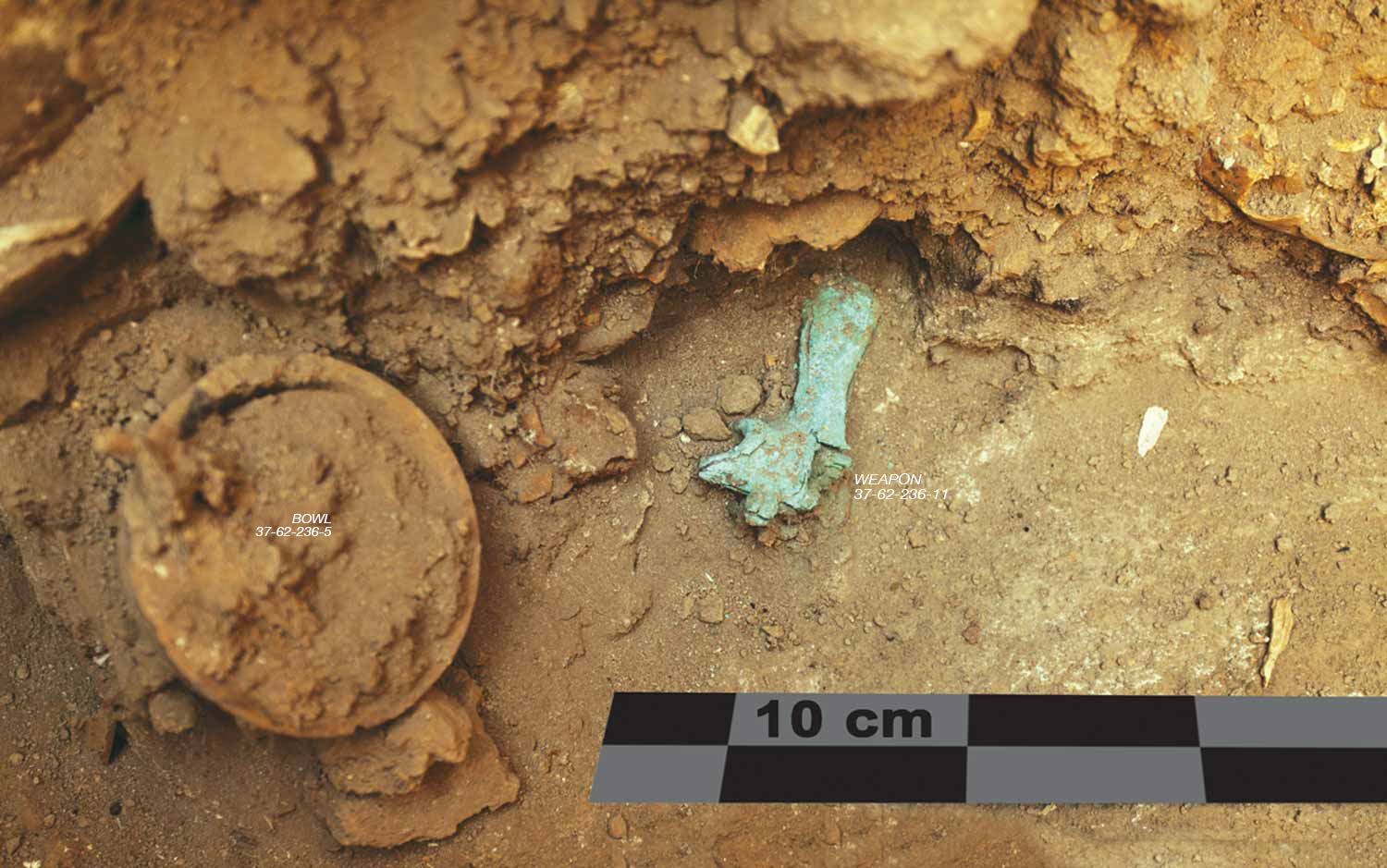
GP26. Excavations in progress.
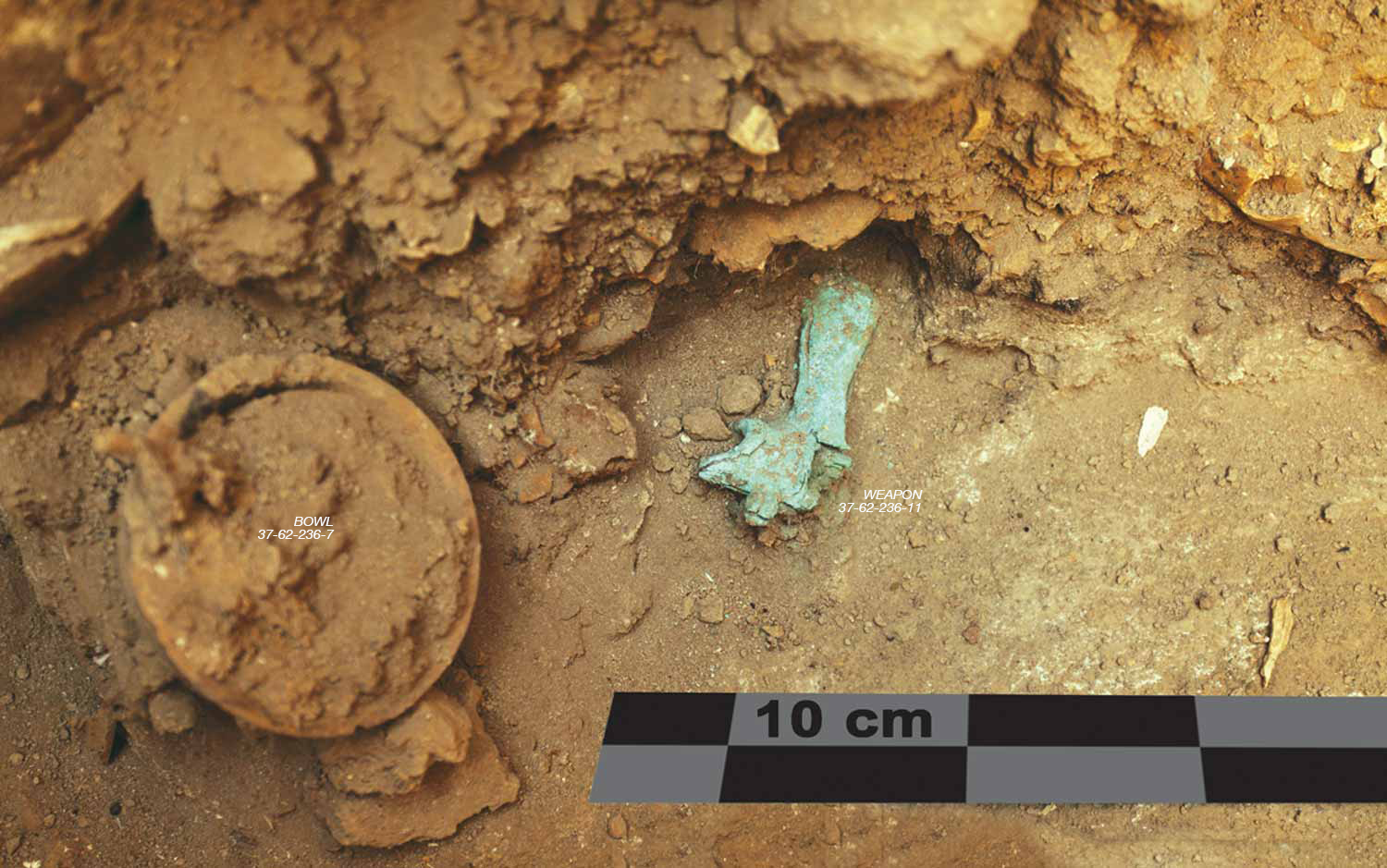
GP26. Excavations in progress.
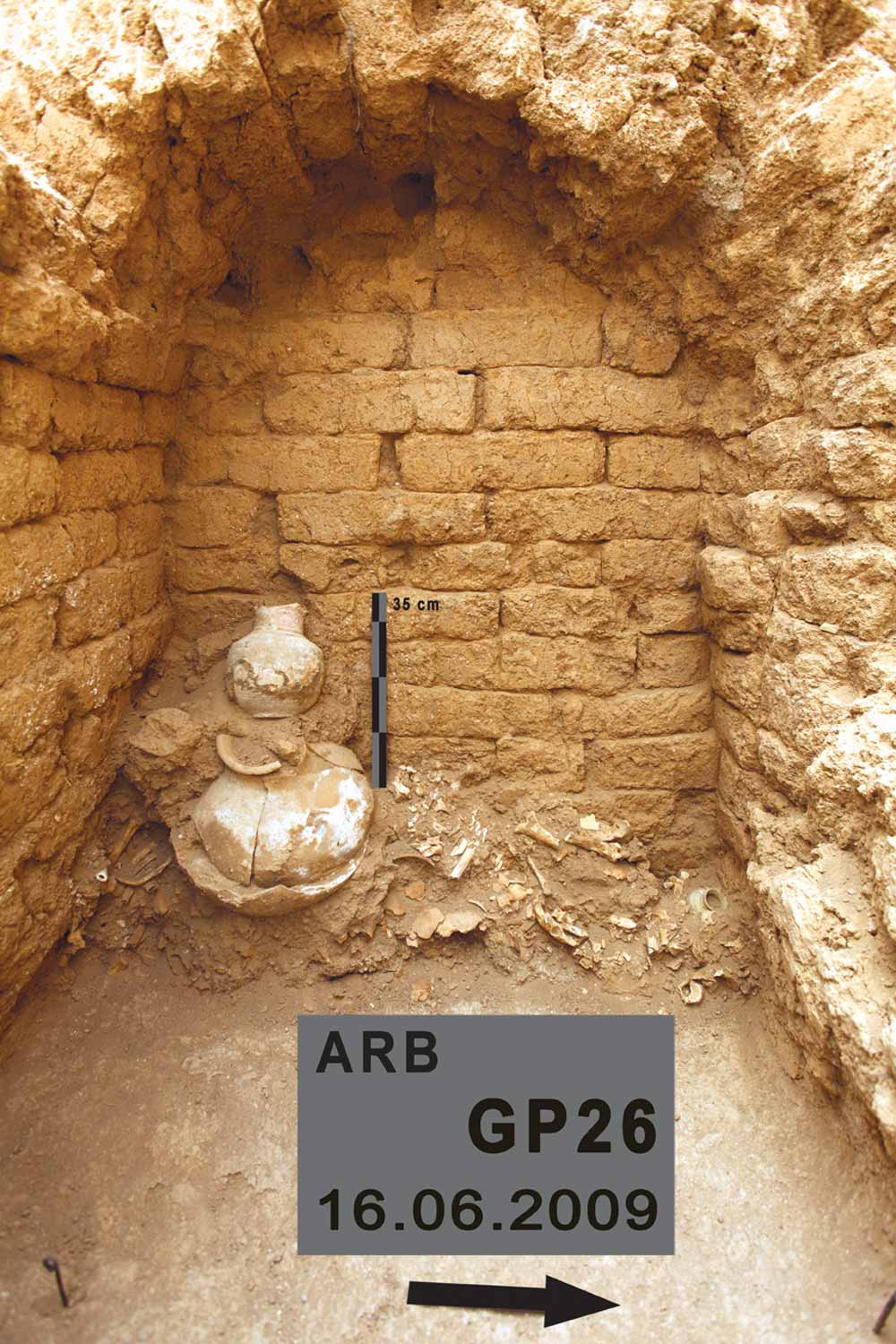
GP26. Excavations in progress.
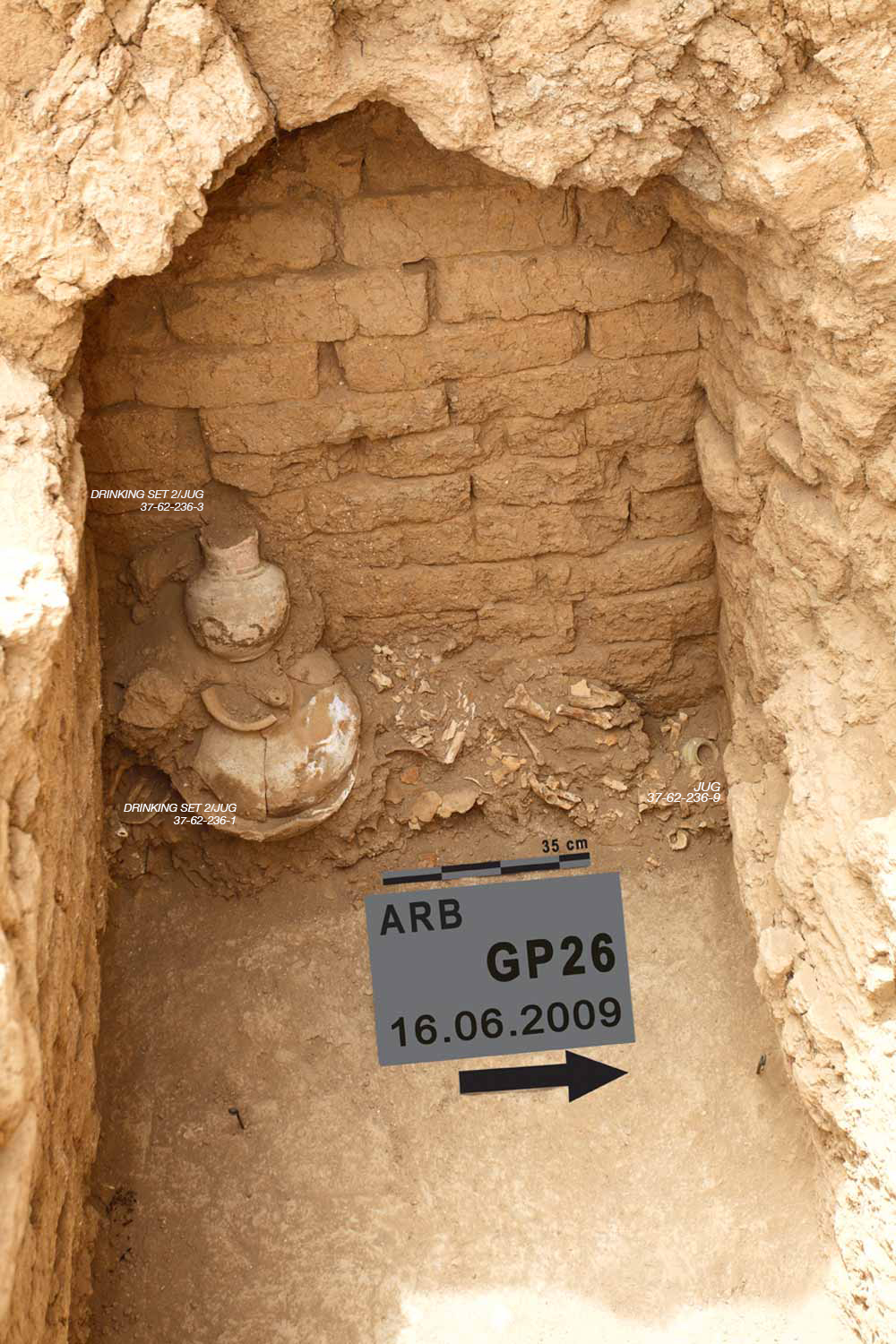
GP26. Excavations in progress.
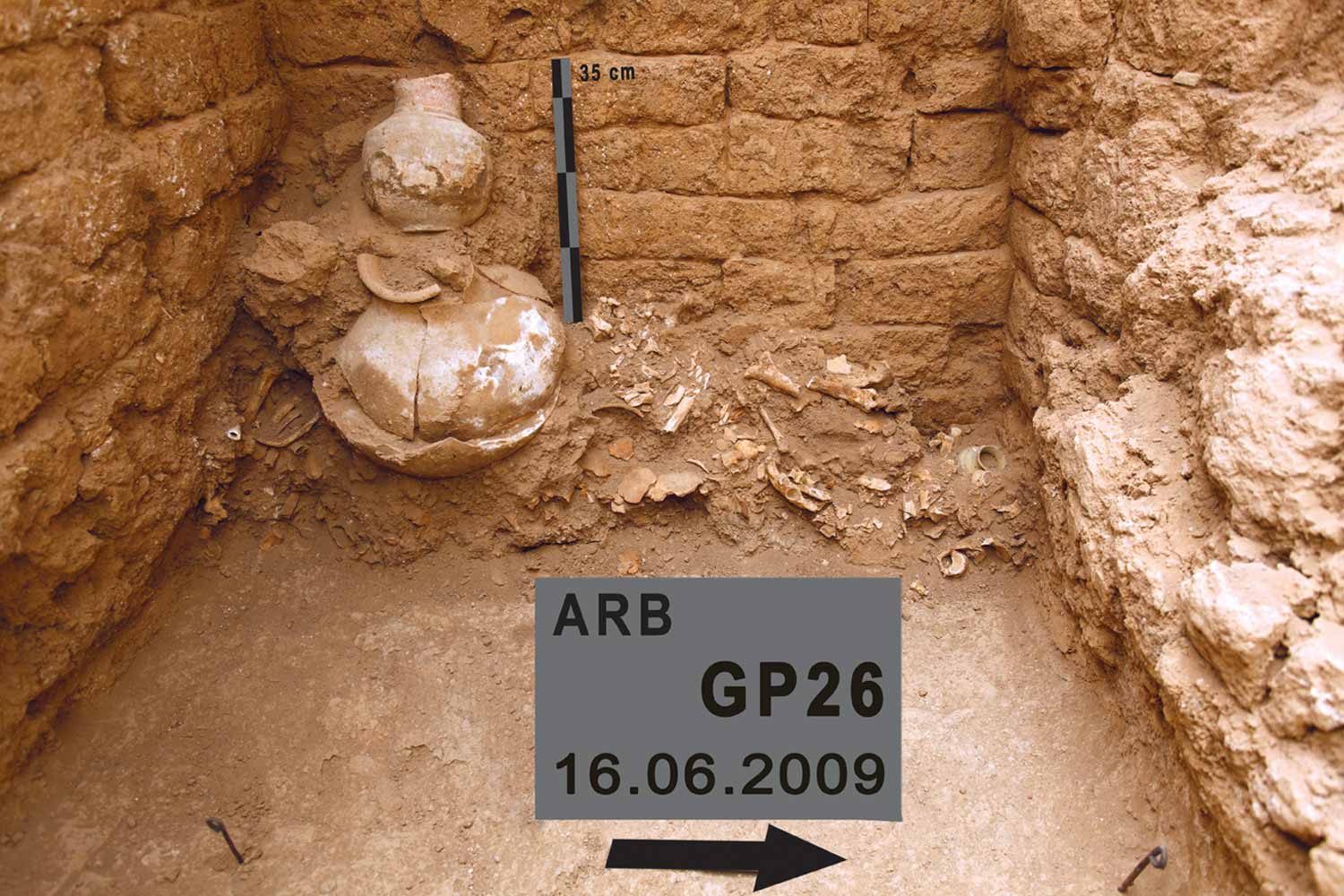
GP26. Excavations in progress.
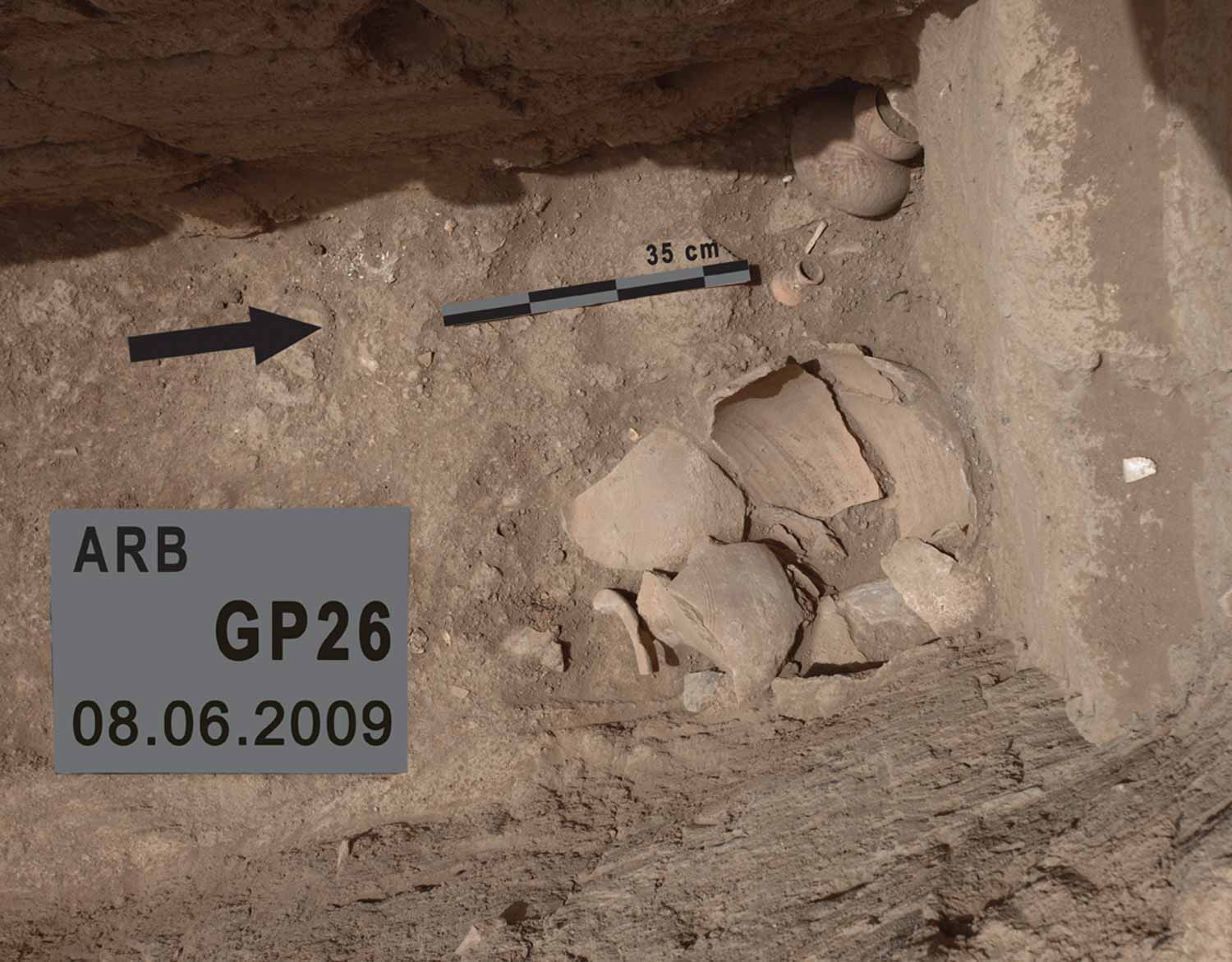
Shaft of GP26, with GP29 inside.
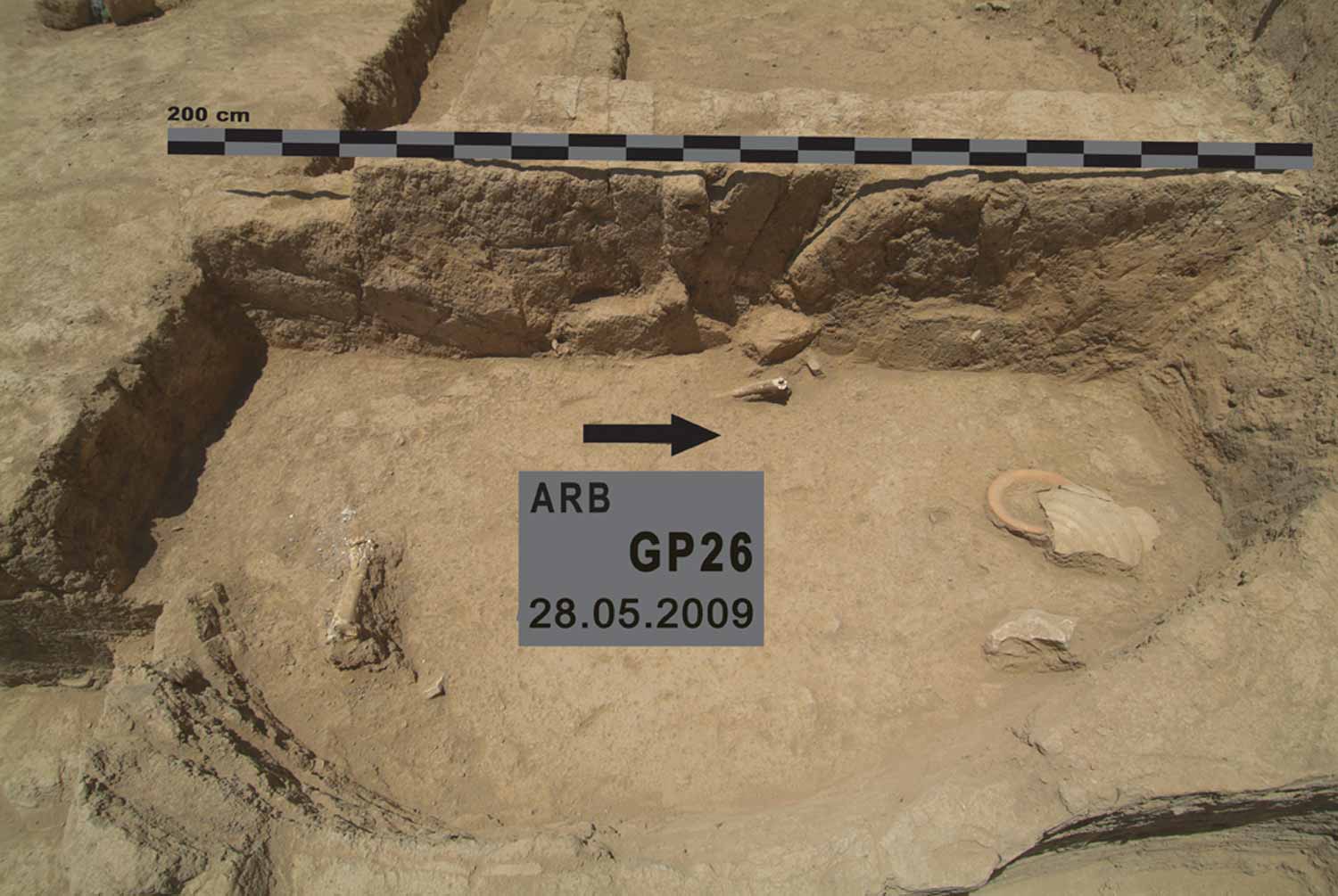
GP26. Shaft of grave - Excavations in progress.
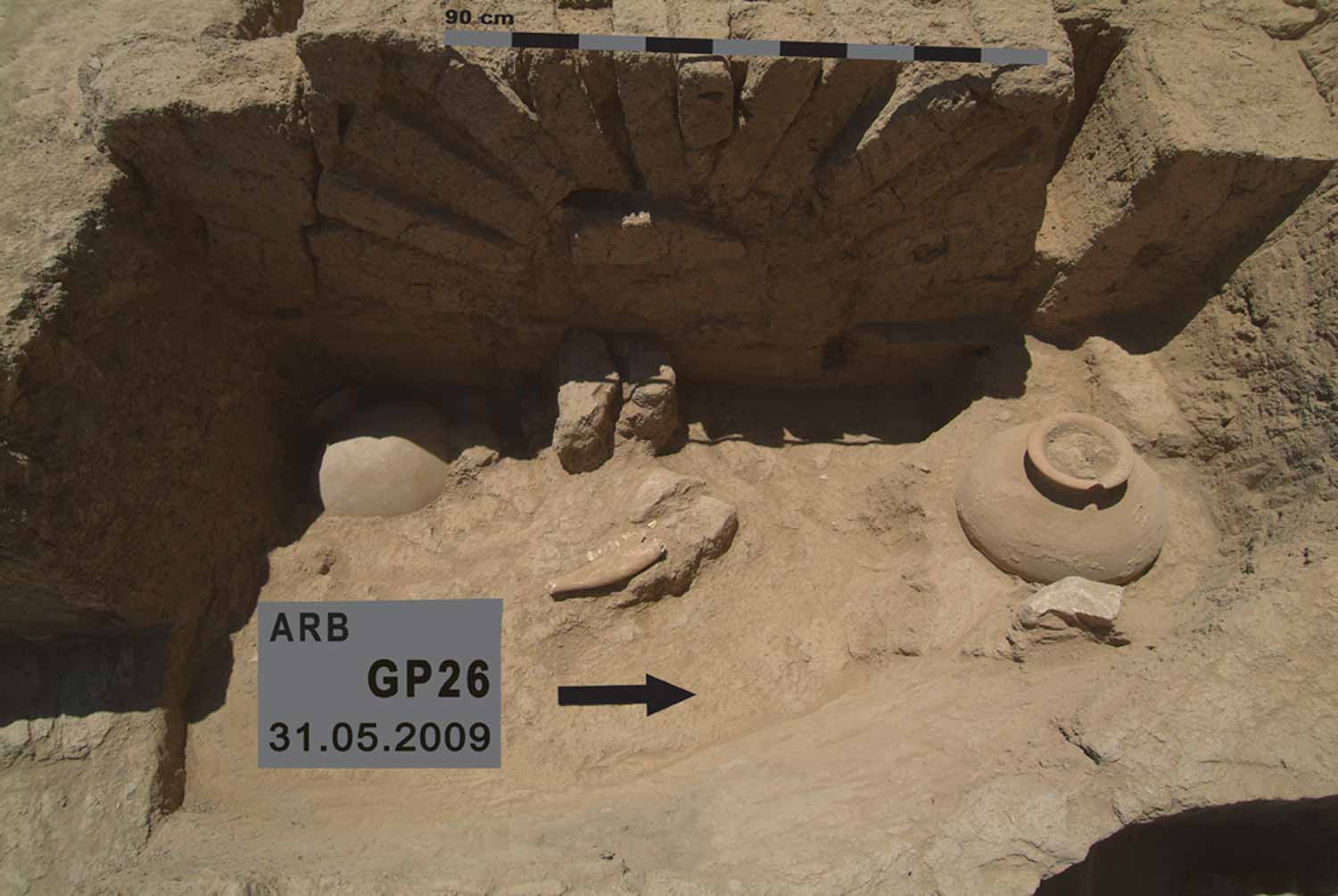
GP26. Shaft of grave - Excavations in progress.
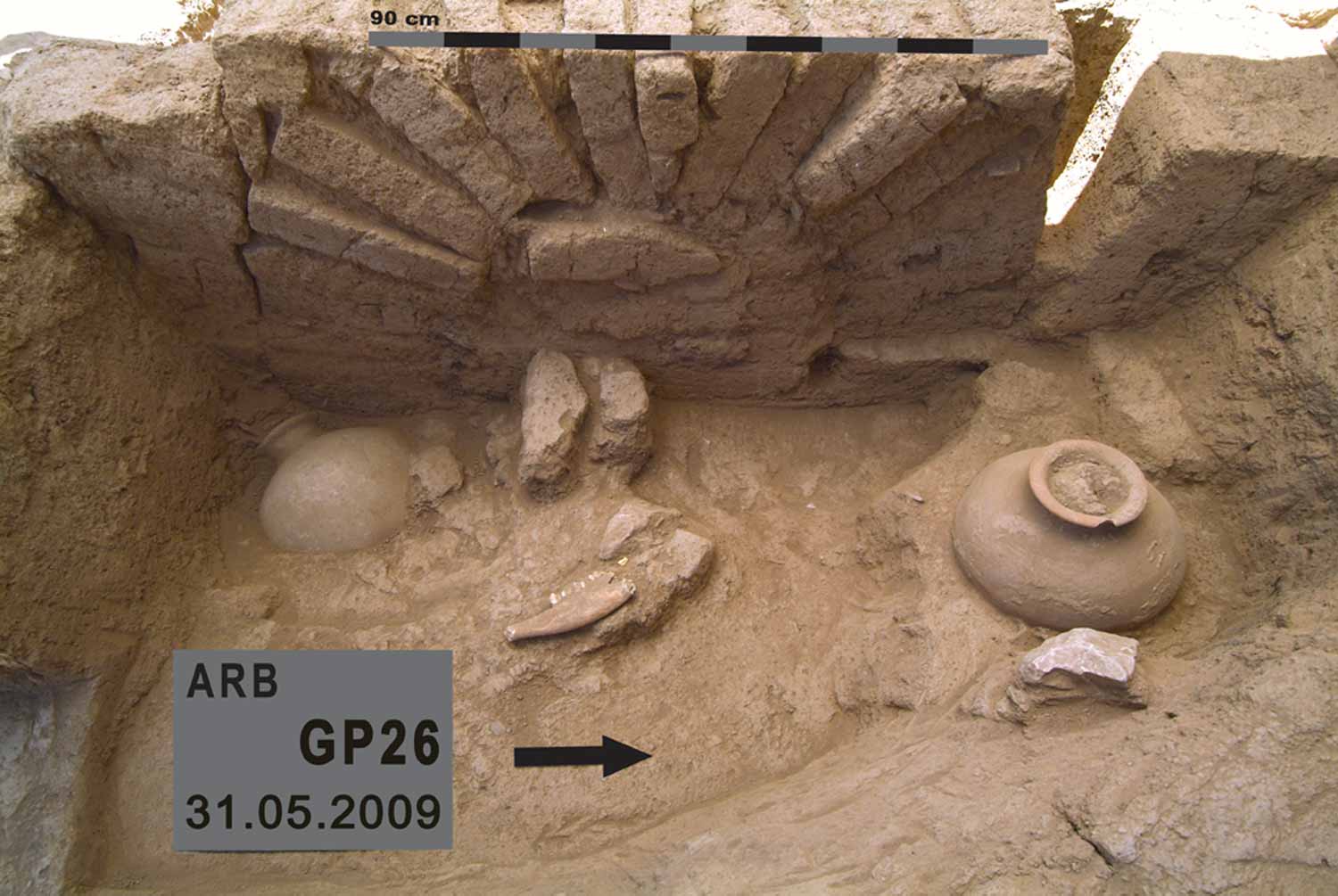
GP26. Shaft of grave - Excavations in progress.
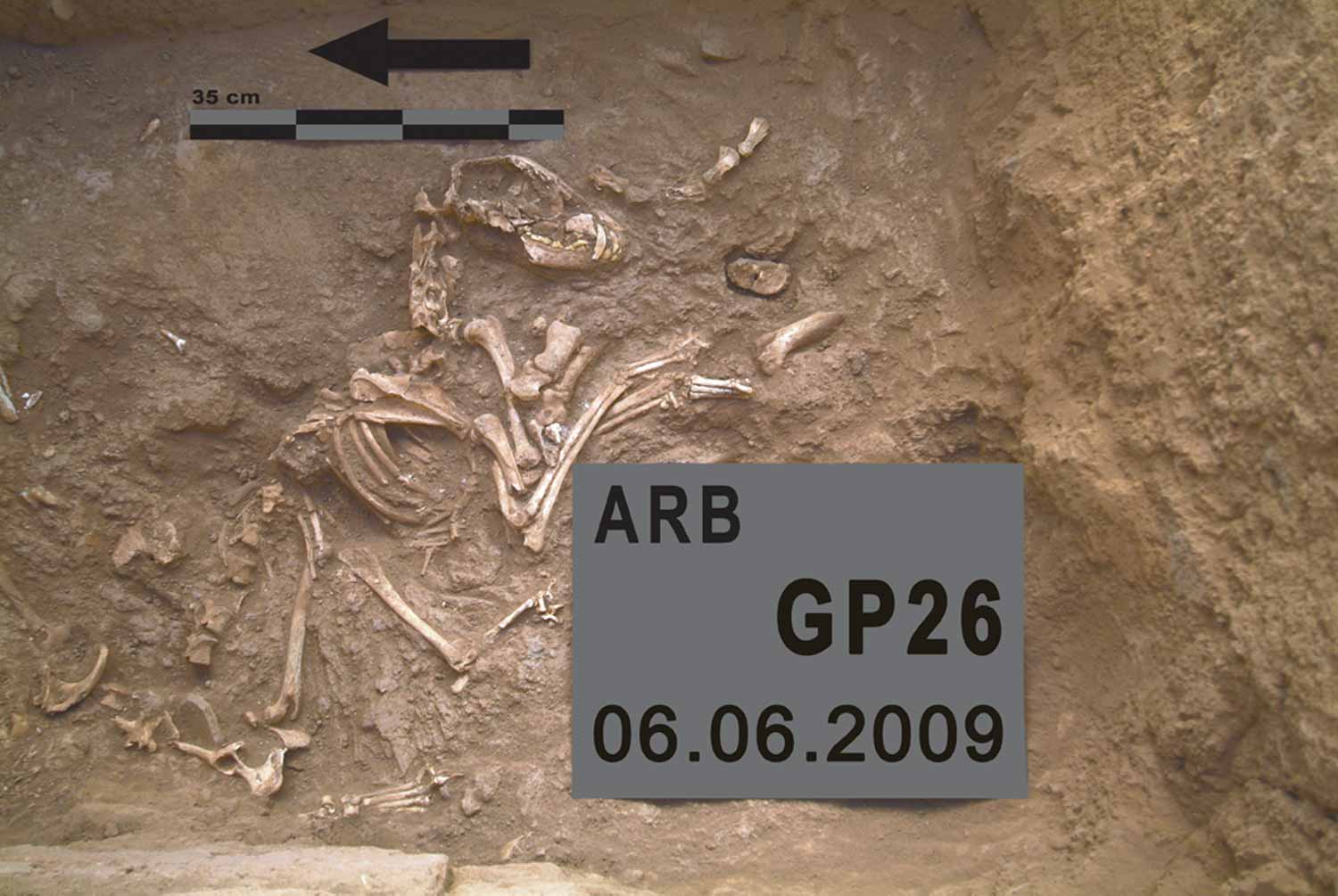
GP26. Shaft of grave - Excavations in progress.
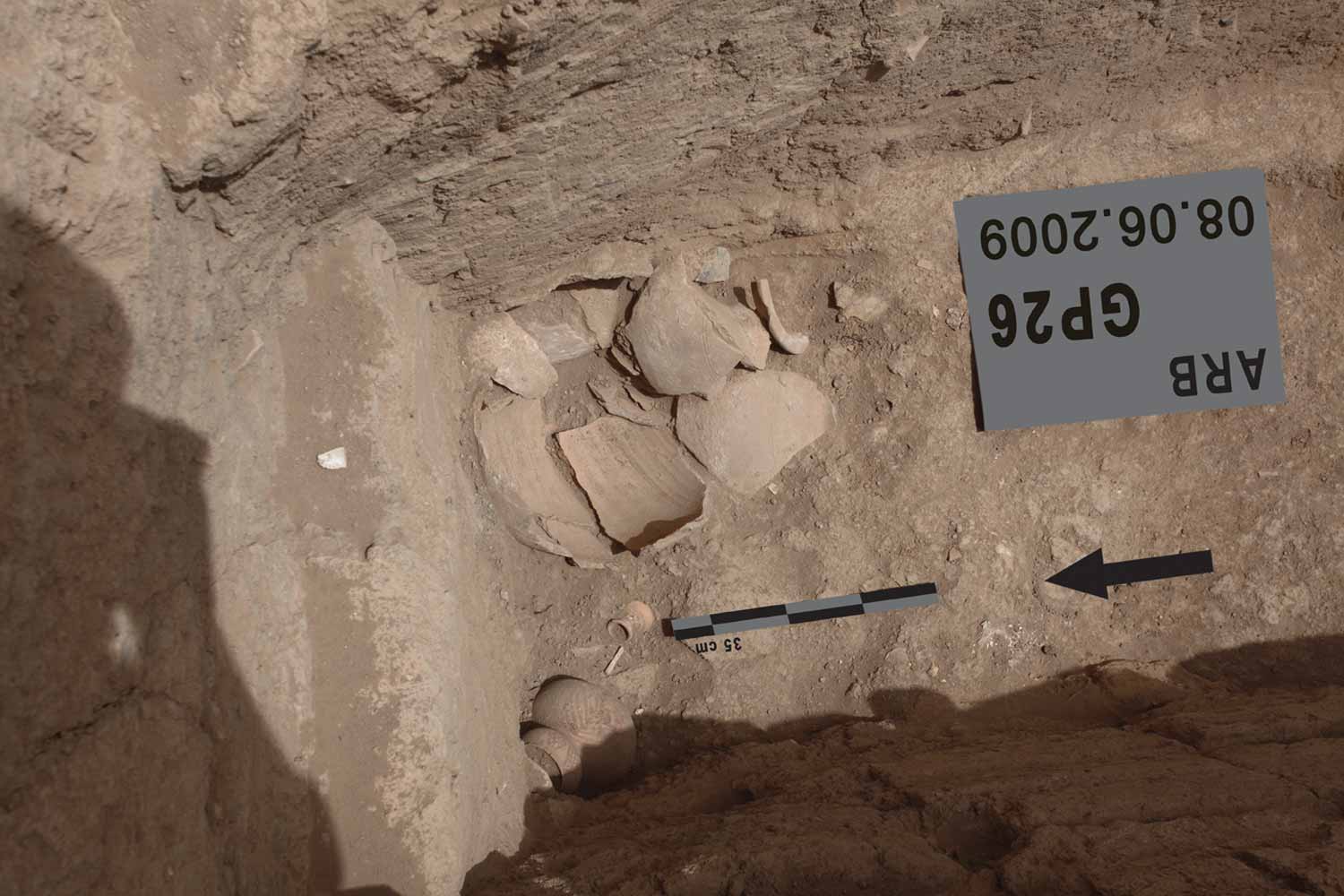
GP26. Shaft of grave - Excavations in progress.
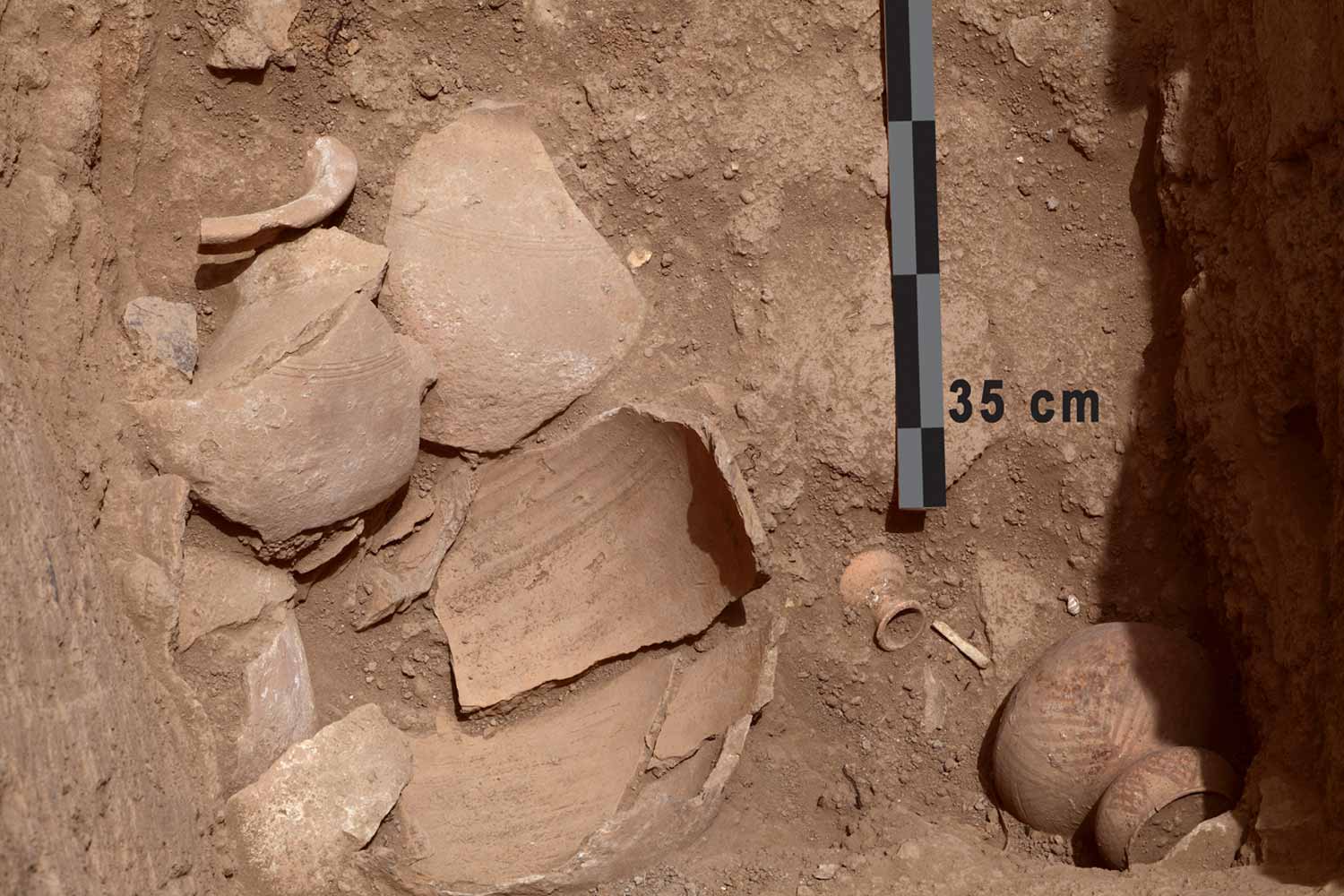
GP26. Shaft of grave - Excavations in progress.

GP26. Plan of grave between exploration.
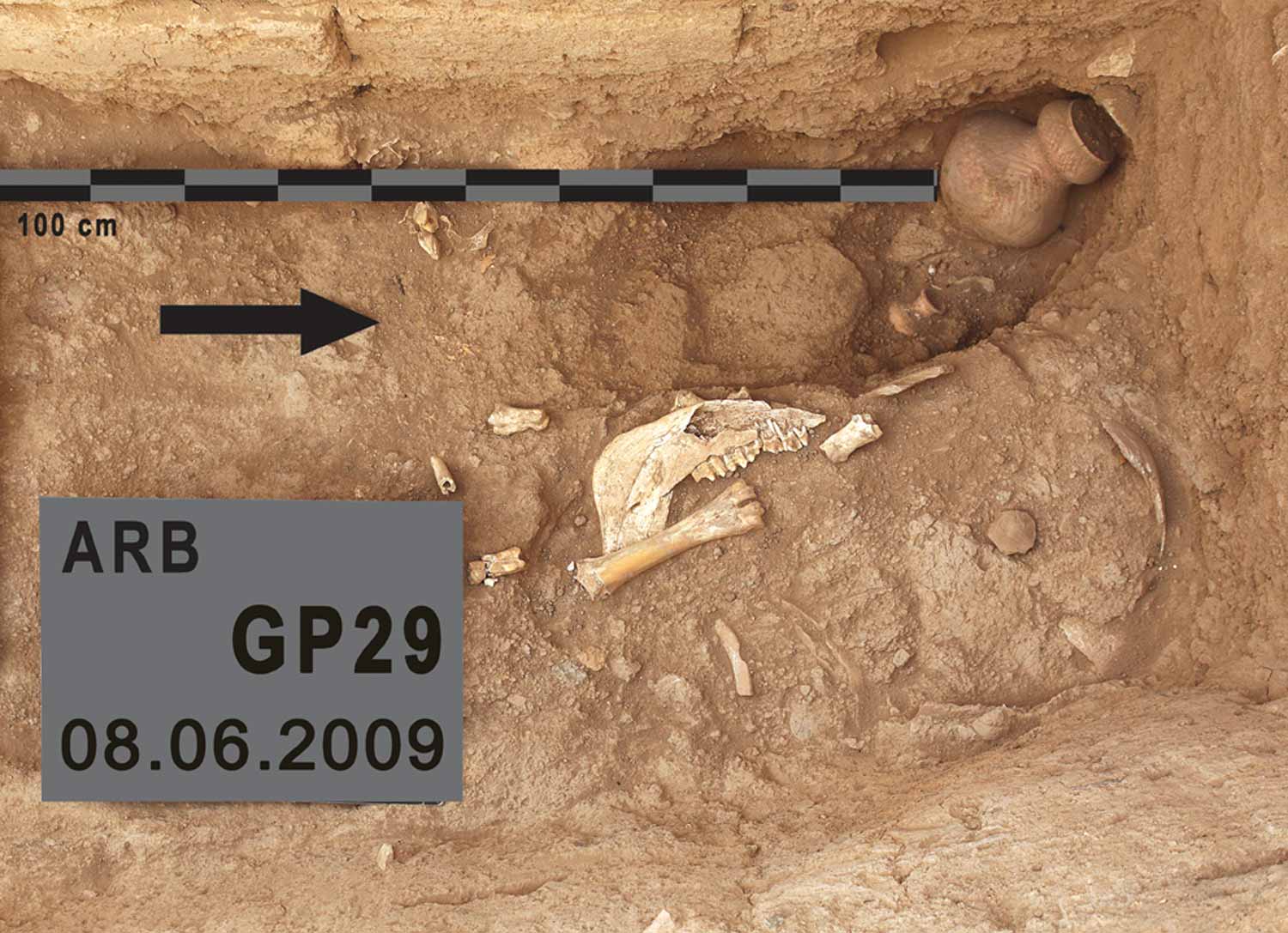
Shaft of GP26, with GP29 inside.
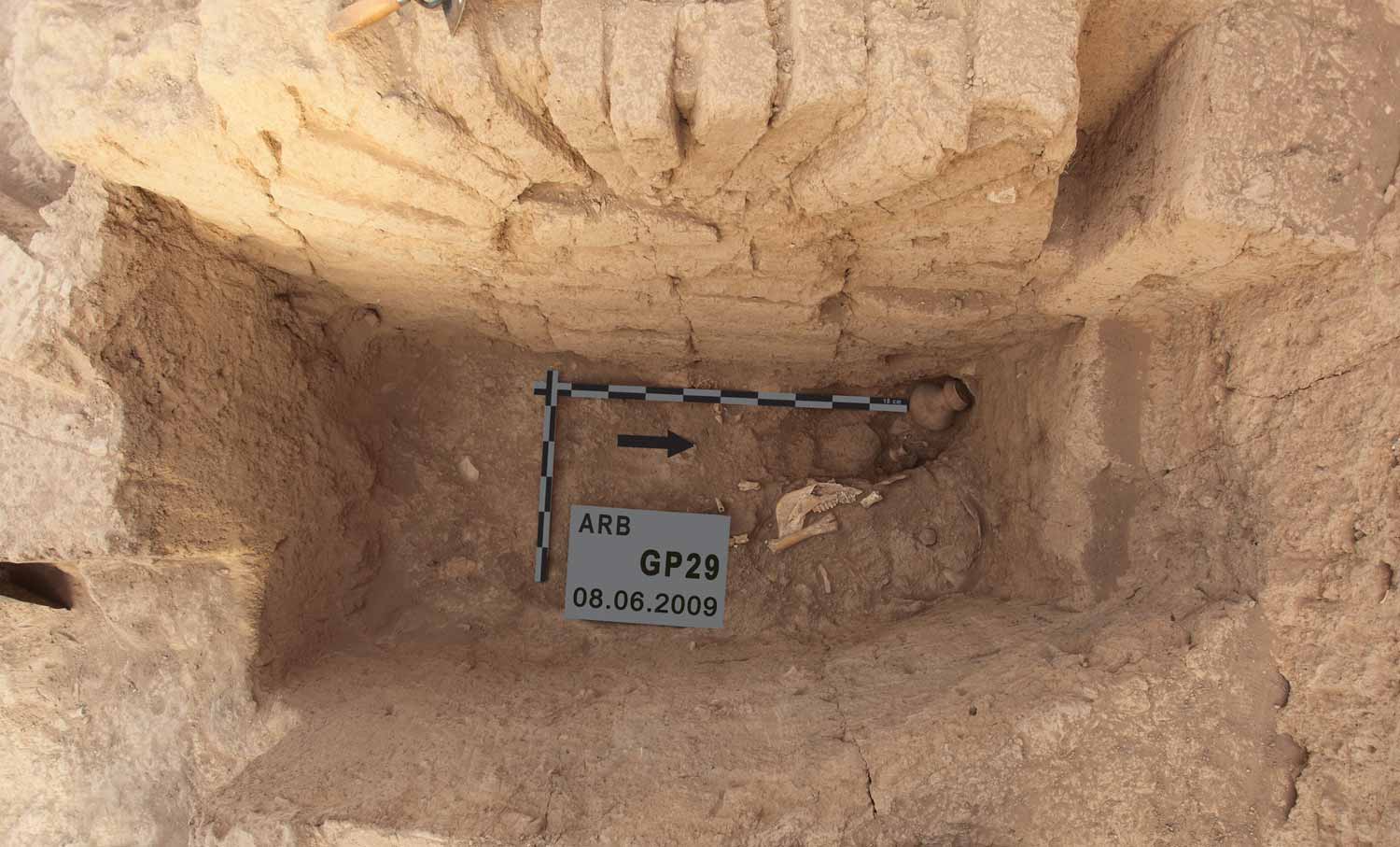
Shaft of GP26, with GP29 inside.
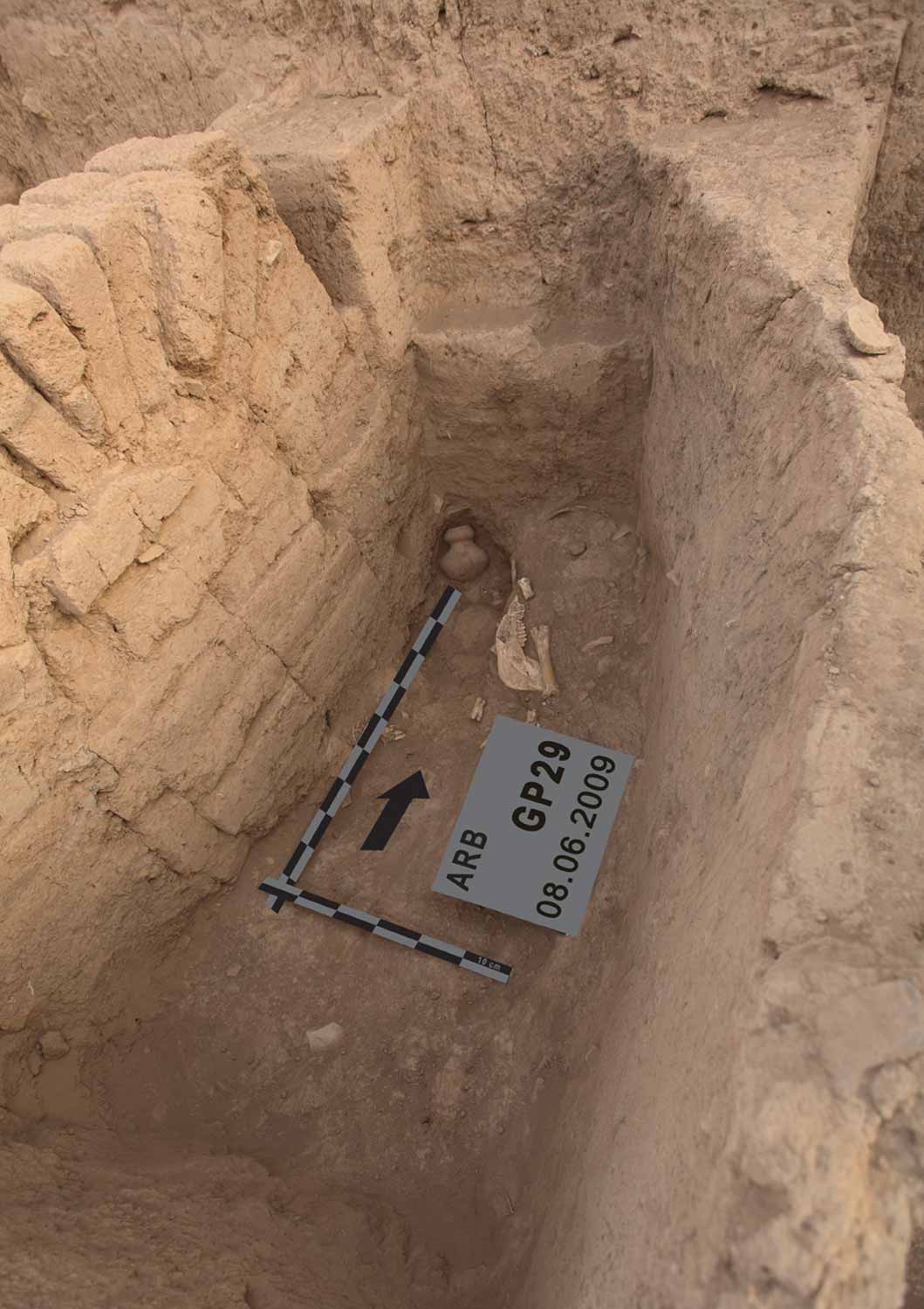
Shaft of GP26, with GP29 inside.
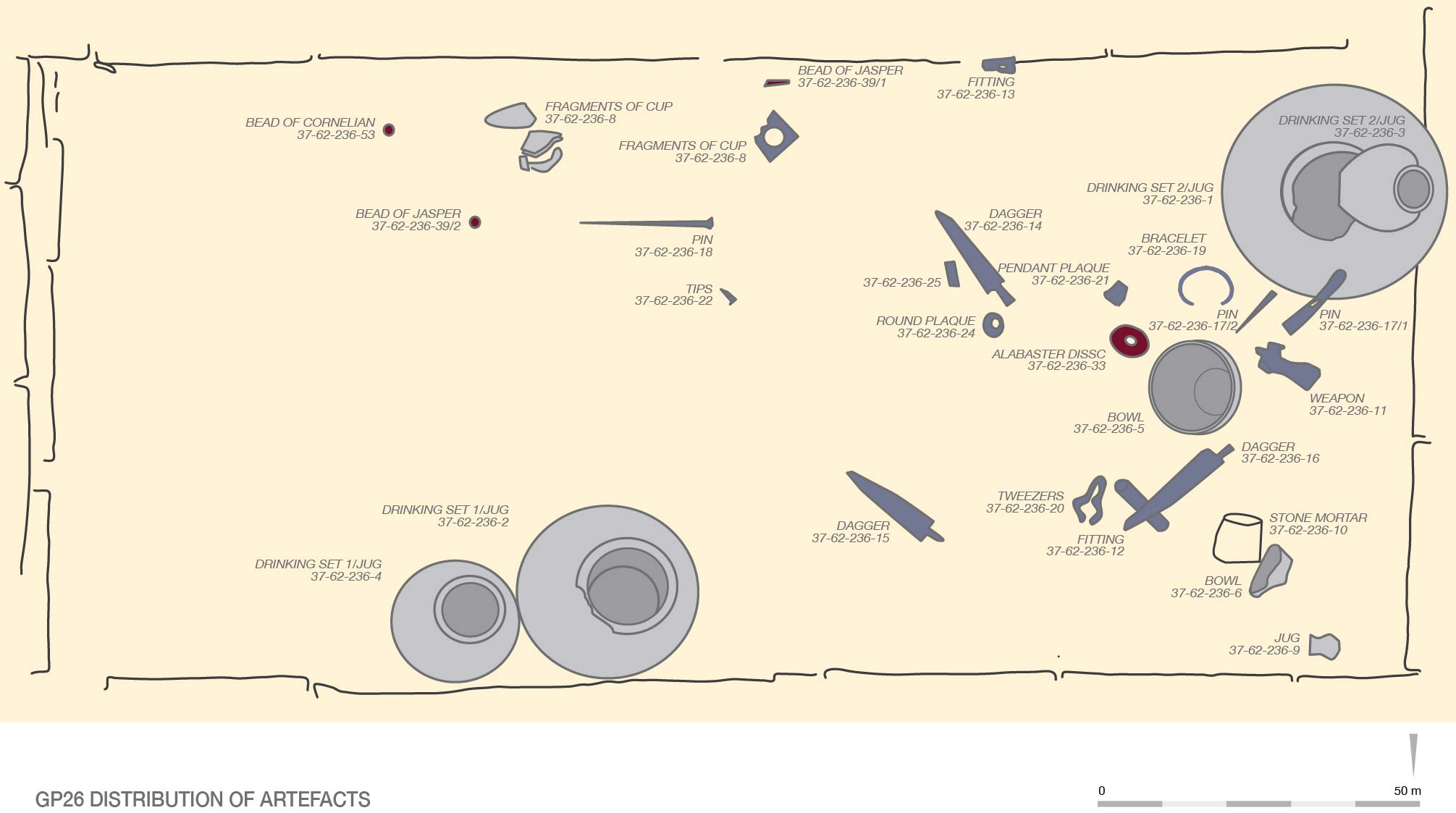
GP26. Distribution of artefacts.
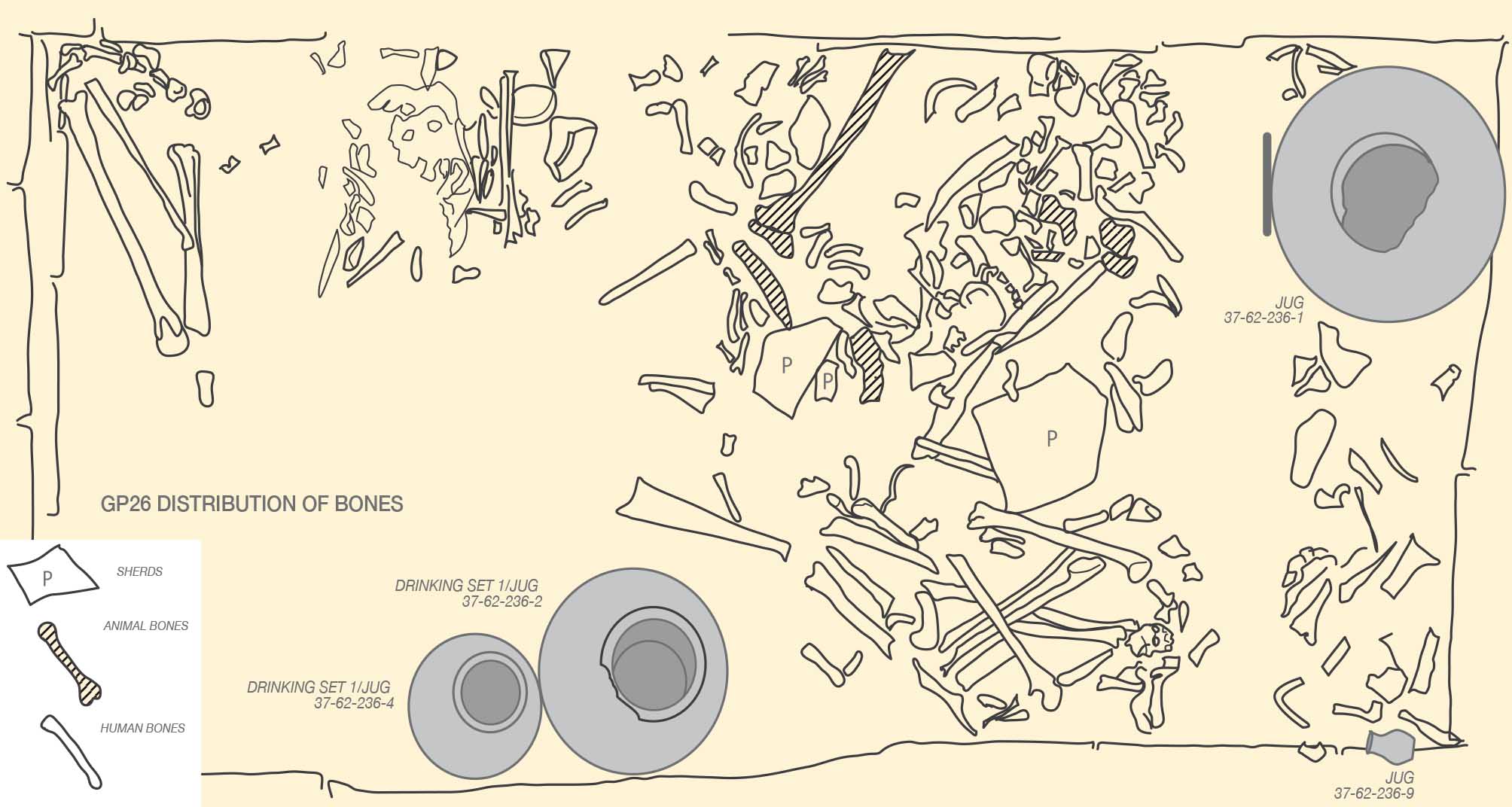
GP26. Distribution of bones.
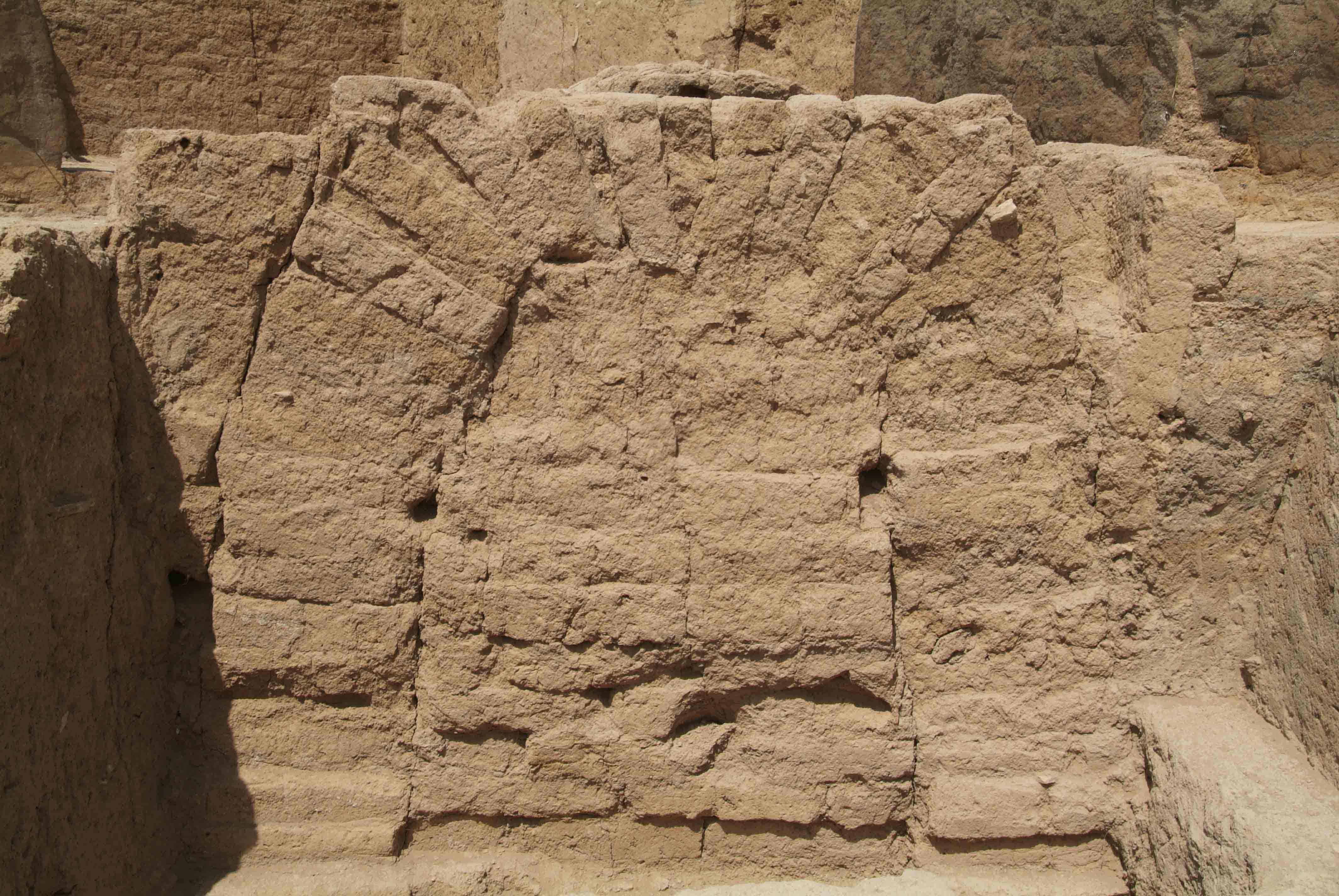
GP26. Fasade seen from east.
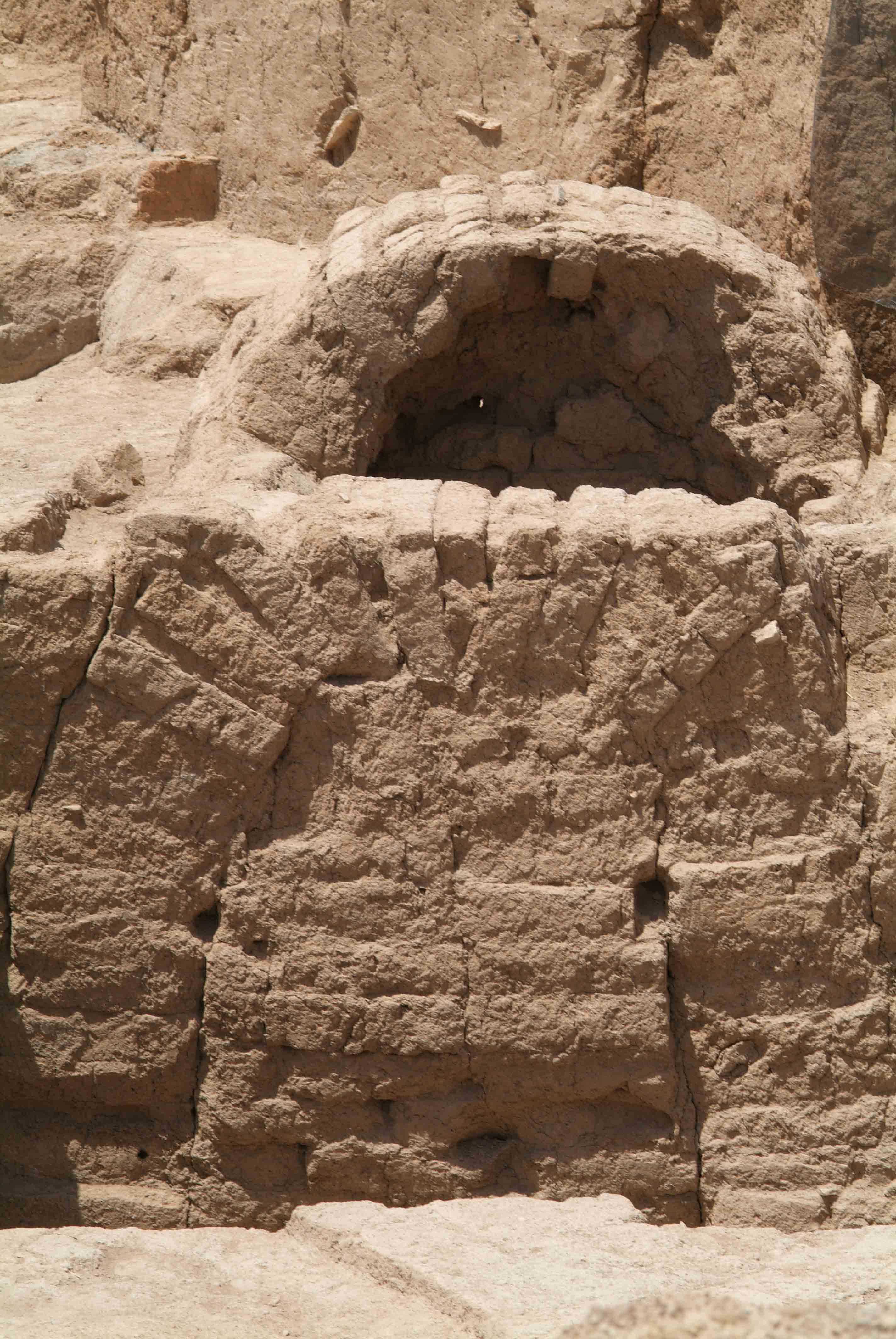
GP26. Fasade and vault seen from east.
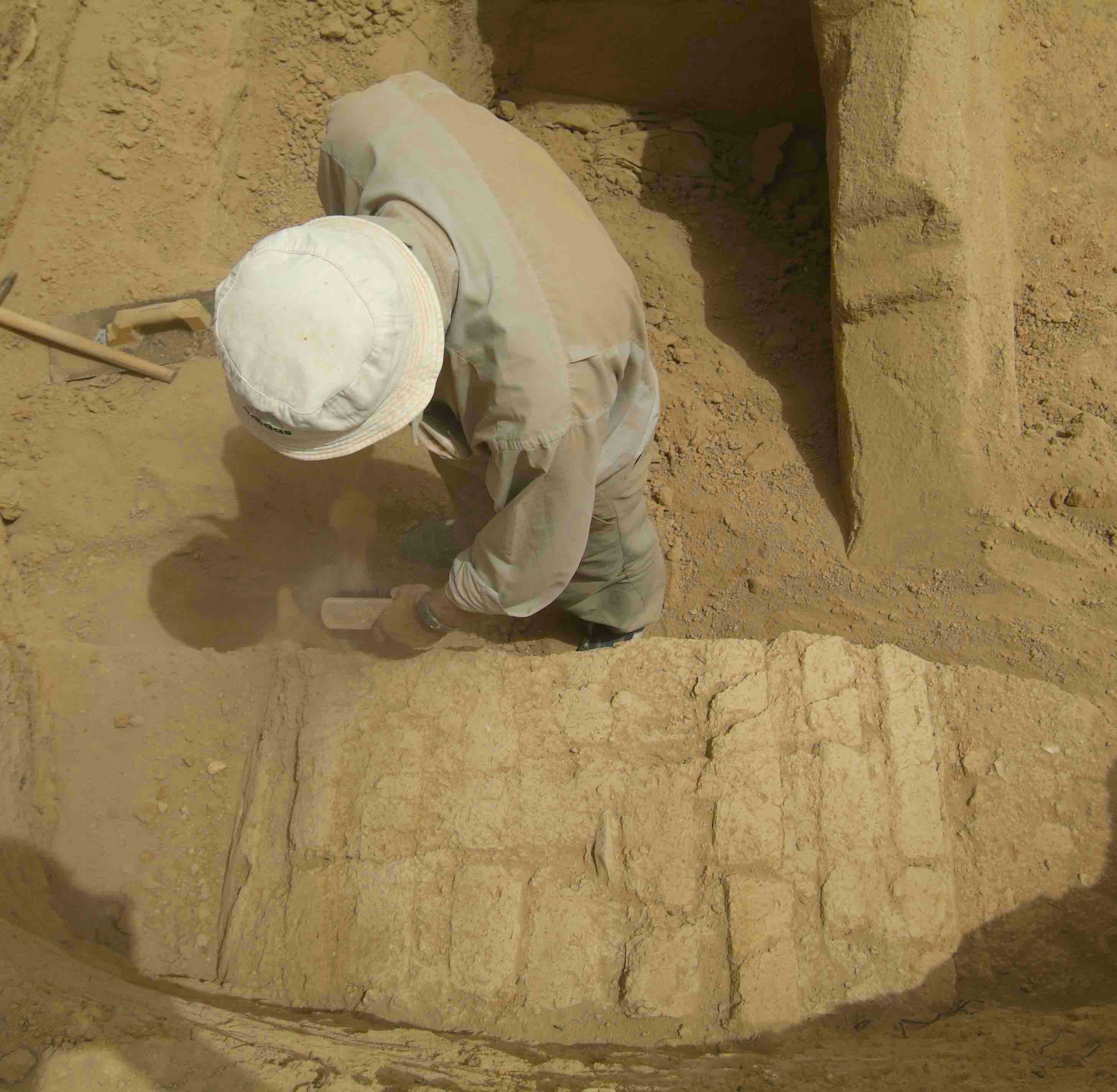
Fragment of vault seen from west. Mr. M. Hoj at work.
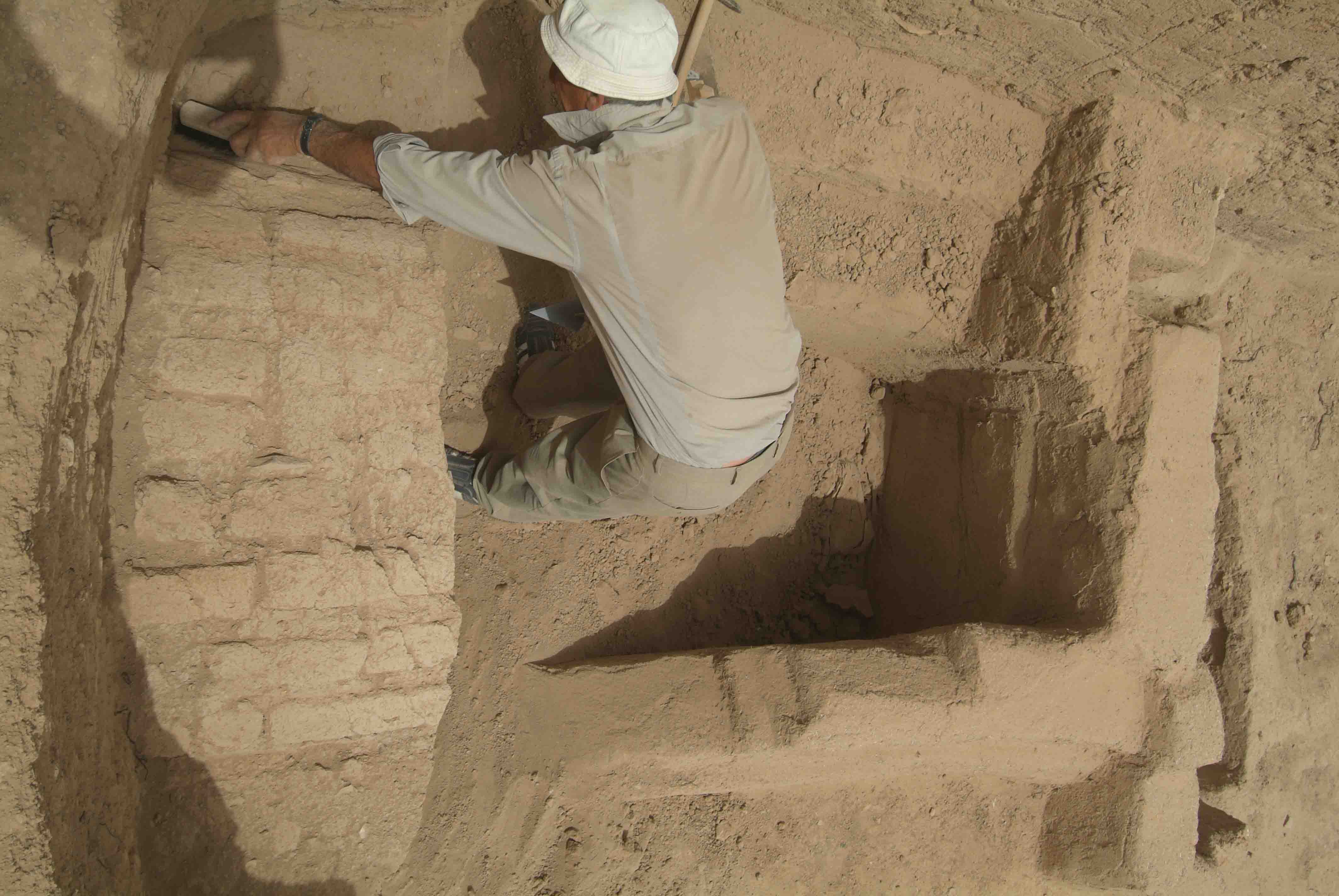
Fragment of vault seen from south. Mr. M. Hoj at work.

GP26 and GP29. Exploration in progress.
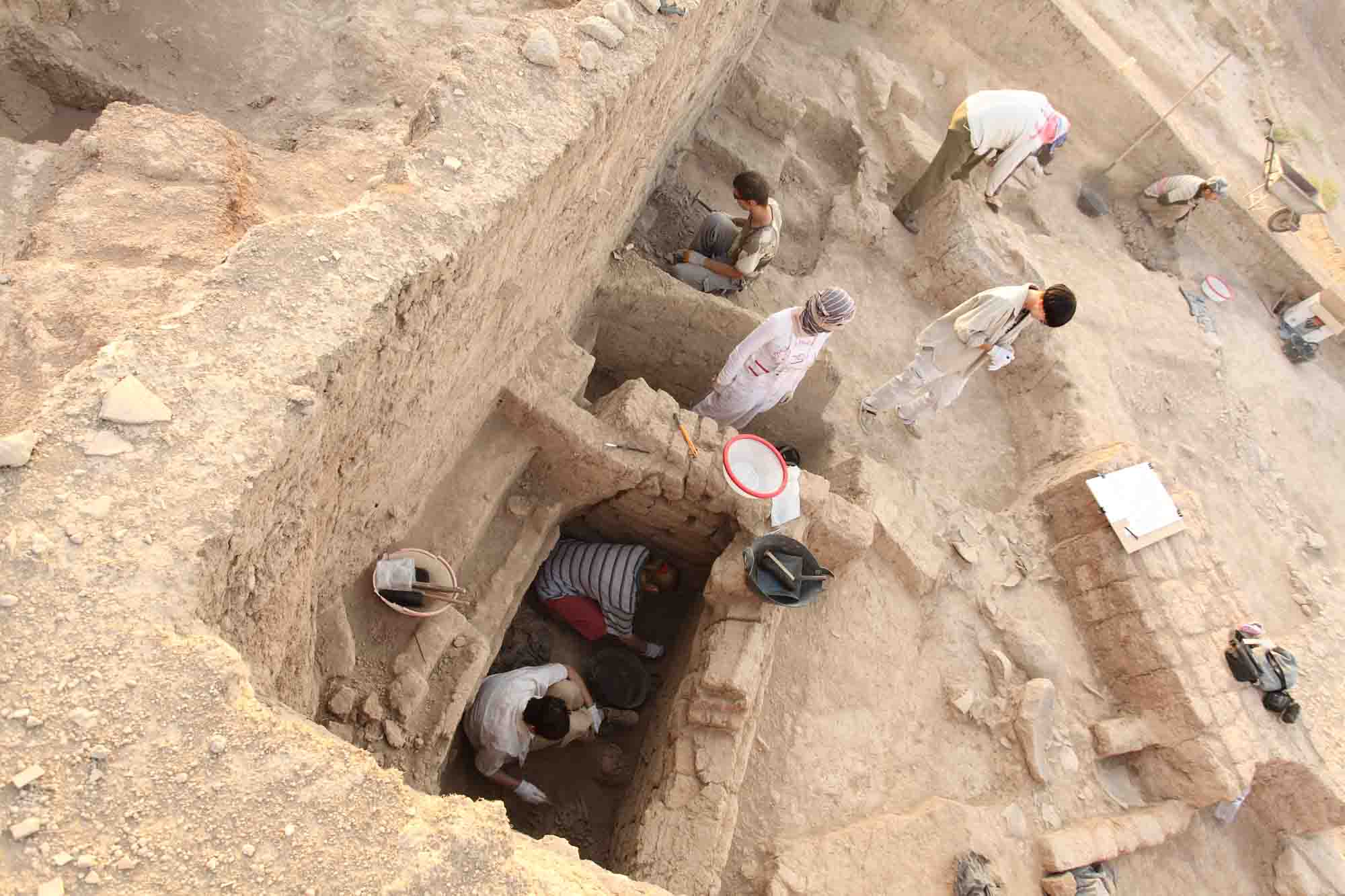
GP26 and GP29. Sector seen from east.
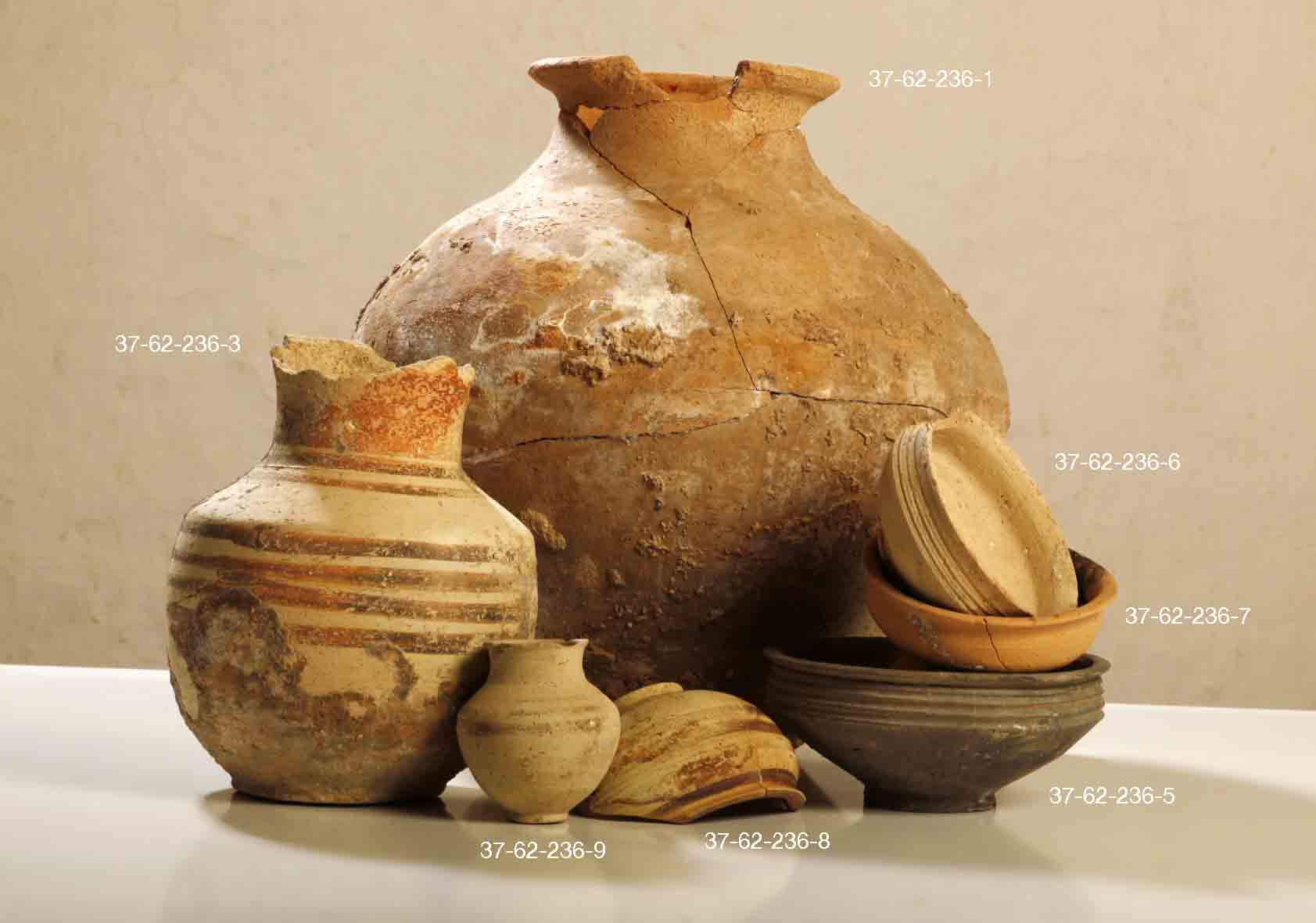
GP26. Pottery.
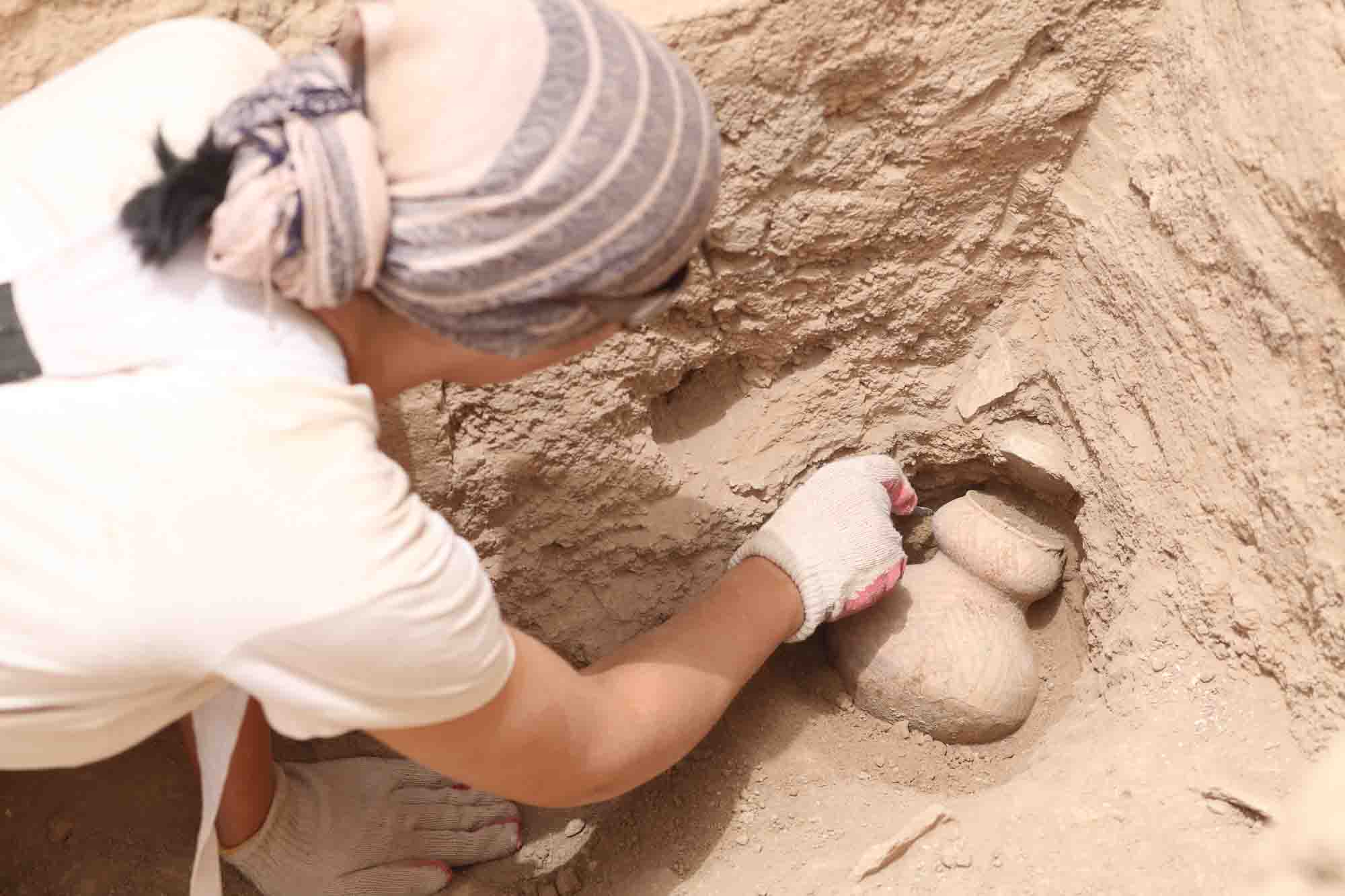
Shaft of GP26, with Miss I. Barczyńska and GP29 inside.
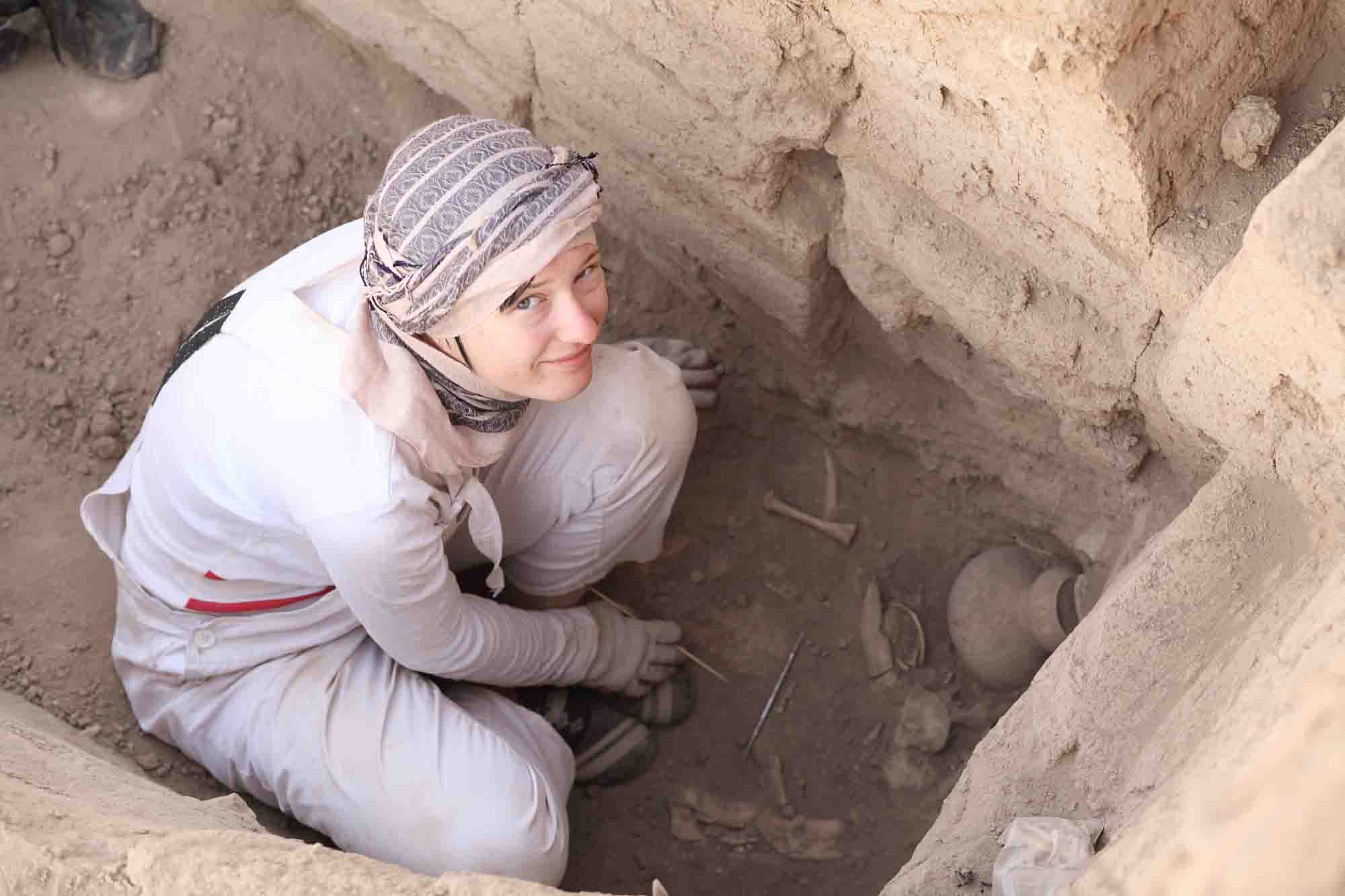
Shaft of GP26, with Miss I. Barczyńska and GP29 inside.